
 0
0
 EN
EN  English
 عربى
عربى Español
 русский
 Turkish
If you need any help, please feel free to contact us
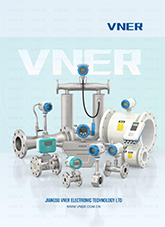
Product Brochure


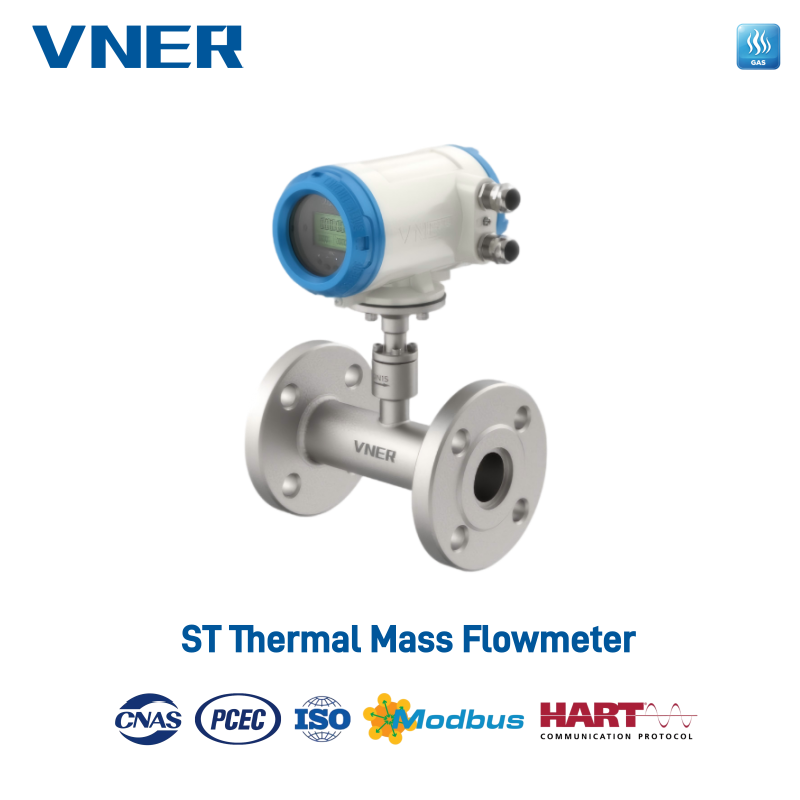


PRODUCT DESCRIPTION
The ST series thermal mass flow meter is specifically designed for gas measurement, capable of directly measuring gas mass flow and temperature without requiring additional pressure or temperature compensation. It features an advanced all-stainless steel construction with no moving parts, ensuring high reliability and minimal maintenance needs. The product offers negligible pressure loss and is suitable for various industrial pipeline systems, providing precise and stable flow monitoring solutions.
PRODUCT FEATURES
-
Direct Measurement: No need for pressure or temperature compensation; directly outputs gas mass flow and temperature values.
-
Low Pressure Loss: Negligible pressure drop, ideal for applications sensitive to system pressure.
-
High Accuracy and Wide Turndown: High measurement precision with a turndown ratio up to 100:1, accommodating a broad flow range.
-
Fast Response: High sensitivity with response time less than 0.5 seconds, providing reliable zero-point stability.
-
Robust Design: Full stainless steel structure with no moving parts; wear-resistant, corrosion-resistant, requiring no mechanical maintenance and offering high reliability.
-
Flexible Installation: Supports flange, threaded, or insertion-type installation; can be mounted horizontally or vertically. Insertion type is suitable for round or rectangular ducts and comes with a ball valve accessory for quick, safe removal without interrupting flow.
-
Intelligent Display: Modular and intelligent indicator design with flexible integrated or split display options; on-site LCD screen displays instantaneous flow, cumulative flow, velocity, and temperature in real time.
-
Self-Diagnosis Function: Built-in self-diagnostics to check the operating status of the probe, electronic circuits, and other components.
-
Communication Compatibility: Supports (4-20)mA output, HART communication, and Modbus protocol for easy integration with industrial automation systems.
TECHNICAL CHARACTERISTICS
-
Measurement Accuracy: ±1.0% of reading + ±0.5% of full scale
-
Fluid Temperature: -40 ~ 300 °C
-
Turndown Ratio: 100:1
-
Nominal Diameter Range: 10 ~ 100 mm
-
Operating Pressure: 1.0 MPa / 1.6 MPa / 2.5 MPa / 4.0 MPa / 6.3 MPa / Class 150 / Class 300 / Others
-
Connection Material: 304 / 316L / Others
-
Probe Material: 316L / Hastelloy C / 316L + Teflon Coating / High-Temperature Ceramic
-
Connection Type: Flanged / Threaded / Others
-
Protection Rating: IP67
-
Power Supply: 220VAC / 24VDC
-
Signal Output: (4~20) mA / Digital Pulse
-
Communication Protocols: HART / Modbus
-
Electrical Interface: 1/2-14NPT / M20×1.5
-
Explosion Protection: Non-Ex / Flameproof
-
Structure Type: Integrated / Split
-
Operating Environment: Ambient temperature -25 ~ 60 °C, Humidity 5% ~ 90%
Product Details
This product is optimized for measuring dry, clean gases in flow applications, combining high-precision sensors with intelligent electronic modules to deliver stable and reliable performance. Multiple configurable options are available to meet various industrial requirements, such as pipeline flow monitoring in chemical, petroleum, environmental protection, and other sectors. For custom specifications or additional technical support, please contact us.
ABOUT US
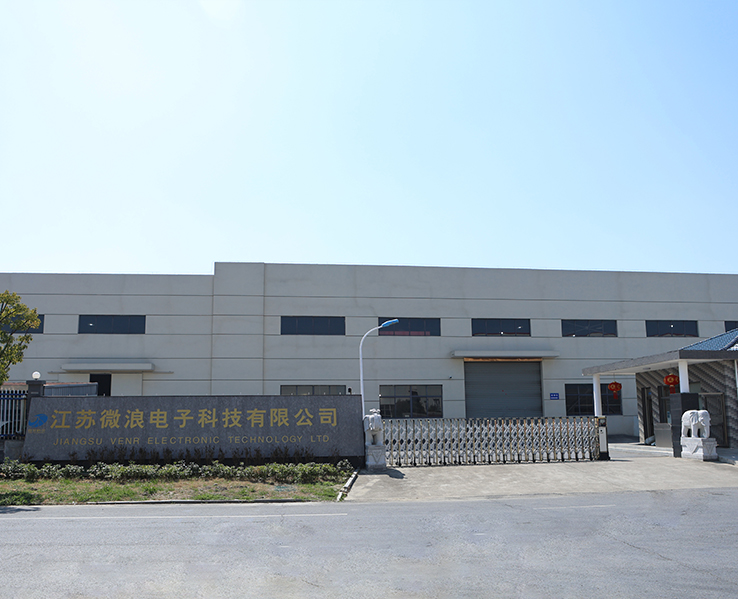
As China ST Thermal Mass Flowmeter Manufacturers and ST Thermal Mass Flowmeter Suppliers, we are renowned for manufacturing professional and high-precision industrial instruments. Our expertise lies in providing unparalleled flow measurement resources, backed by over 12 years of experience solving complex applications.
Our precision flow metering devices are used by a diverse range of users, ranging from major oil and gas companies to photovoltaic providers, pharmaceutical manufacturers, and municipal services. We continuously contribute to the development of flow measurement in the domestic energy and chemical industries due to our expertise in measuring variable component gases and peculiar mediums.
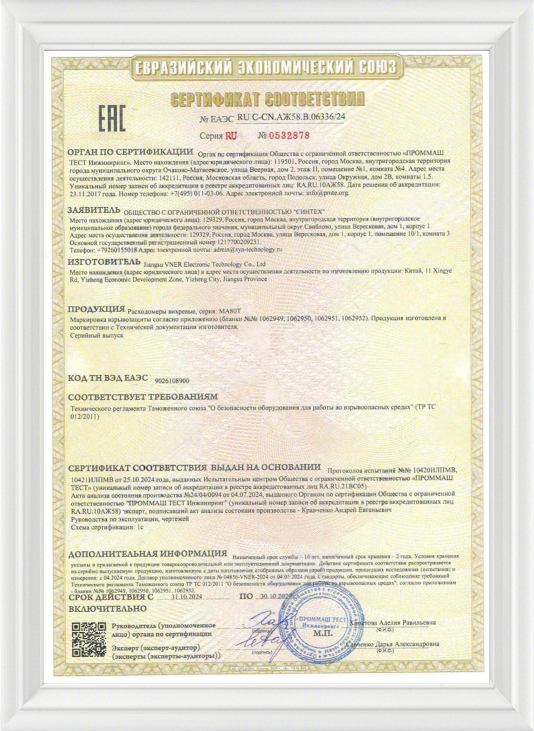
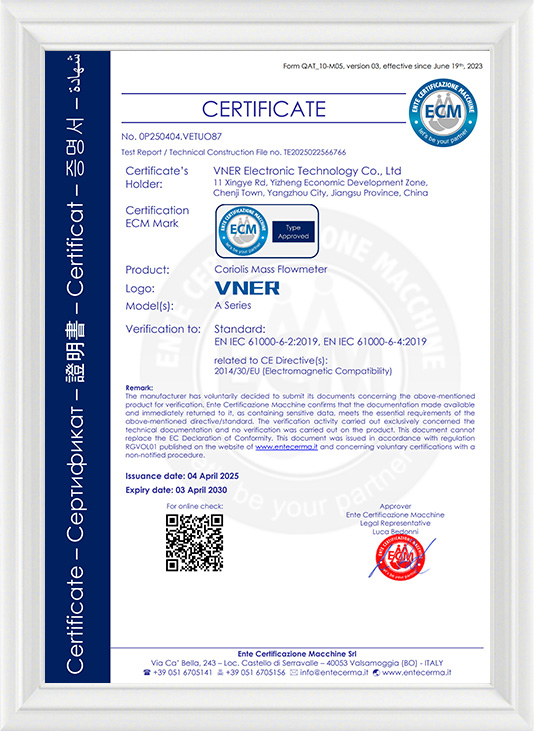
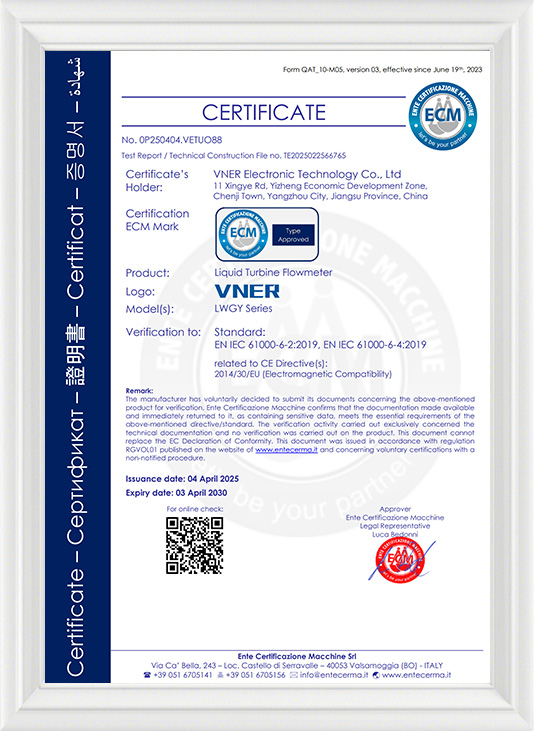
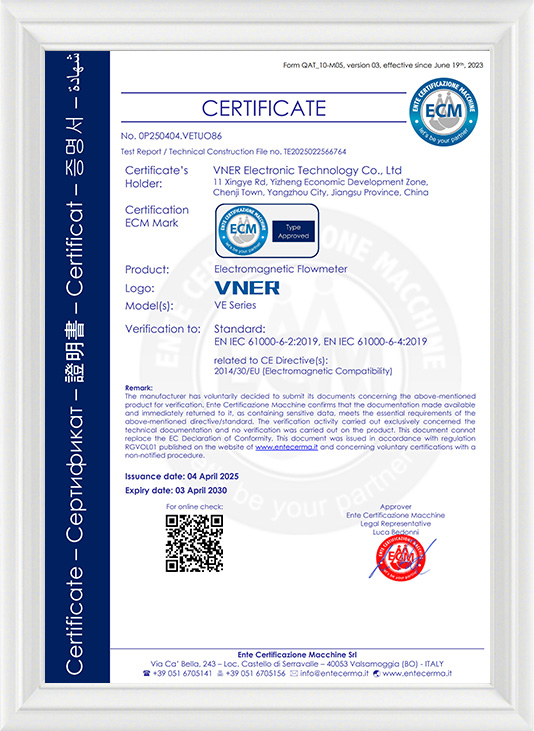
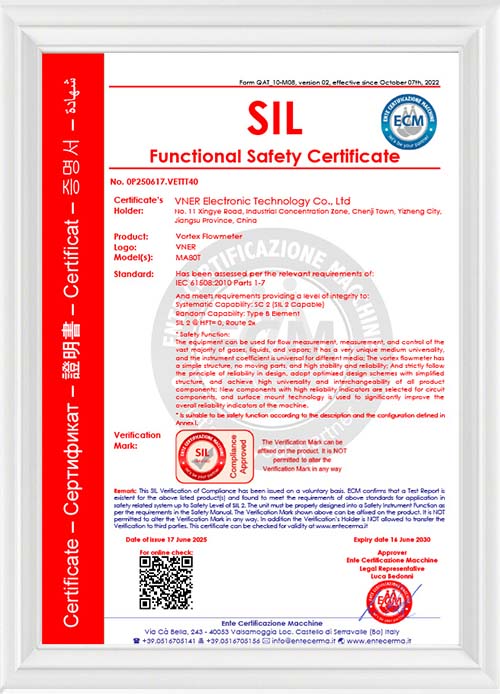
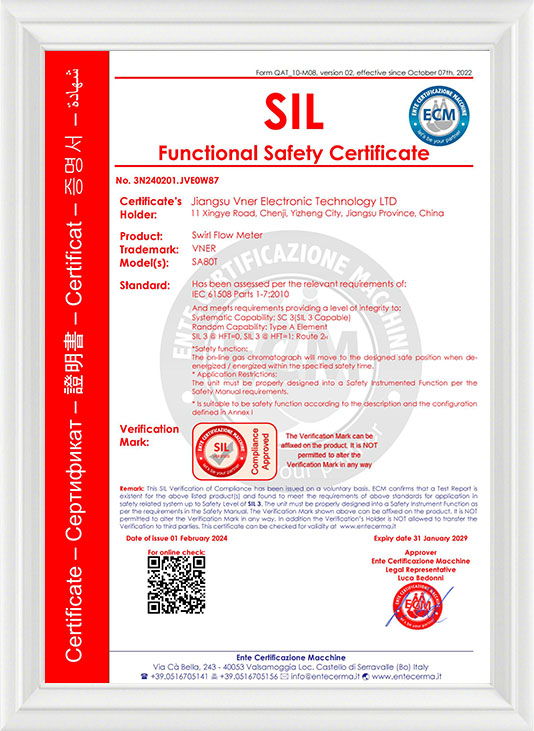
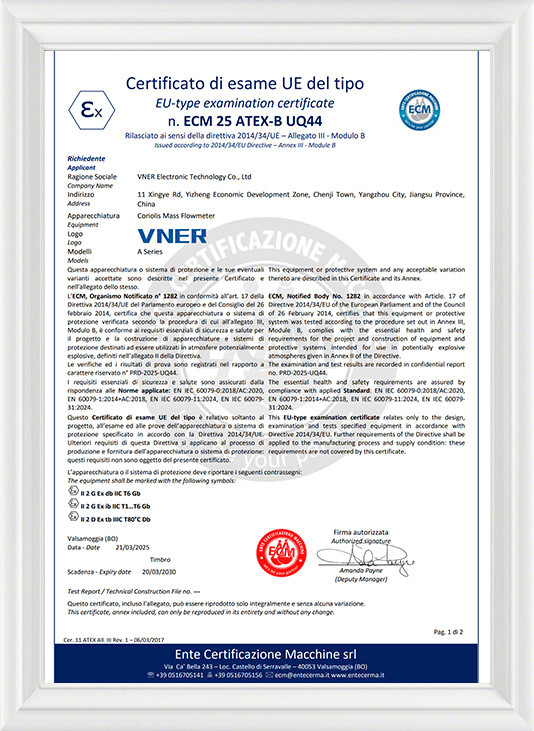
Certificate Of Honor

News
-
In the realm of precision fluid measurement, the Liquid Turbine Flowmeter remains one of the most reliable and efficient instruments for handling clean, low-viscosity fluids. The L...
READ MORE -
Engineering Selection Guide for Chemical, Utility & Industrial Applications Accurate flow measurement plays a critical role across water treatment, chemical processing, utilit...
READ MORE -
In the specialized field of fluid dynamics, the Swirl Flowmeter stands out due to its unique "vortex precession" principle, offering high accuracy and a wide turndown ratio. The in...
READ MORE -
Chinese New Year Holiday Notice As the Chinese New Year approaches, VNER Electronic Technology LTD extends its sincere gratitude to our valued customers, partners, and colleague...
READ MORE
Message Feedback
ST Thermal Mass Flowmeter Industry knowledge
How Does the Operational Principle of Thermal Dispersion Enable Precise Mass Flow Measurement Without Pressure Compensation?
The ST Thermal Mass Flowmeter operates on the fundamental physical principle of thermal dispersion, or thermal anemometry. Unlike traditional volumetric flow meters that measure the space gas occupies, this technology measures the actual mass of the gas molecules passing through a sensor. This distinction is critical in industrial environments where gas density fluctuates due to changes in pressure and temperature. By measuring mass directly, the ST series eliminates the need for complex external compensation loops, providing a streamlined and highly accurate data output.
As a leading China ST Thermal Mass Flowmeter Manufacturers with over 12 years of experience in solving complex applications, we have refined the dual-sensor architecture of this device. The probe consists of two calibrated Resistance Temperature Detectors. One RTD serves as the reference sensor, measuring the actual temperature of the process gas. The second RTD is a heated sensor, maintained at a constant differential temperature above the reference sensor.
As gas flows across the heated sensor, it carries away heat—a process known as convective heat transfer. The amount of heat lost is directly proportional to the mass flow rate of the gas. The electronic module of the ST series detects the power required to maintain the constant temperature differential. Because the cooling effect is dependent on the heat capacity and density of the gas molecules, the resulting electrical signal is a direct representation of the mass flow.
This principle allows for a remarkable turndown ratio of 100:1. In practical terms, this means the meter can accurately measure extremely low velocities during leakage detection while still providing precise data during peak industrial loads. The absence of moving parts ensures that the physical measurement process is non-invasive and wear-resistant. For users ranging from photovoltaic providers to pharmaceutical manufacturers, this translates to a measurement accuracy of ±1.0% of reading + ±0.5% of full scale across a wide temperature range of -40 to 300 degrees Celsius.
The high sensitivity of this principle allows for a fast response time of less than 0.5 seconds. In the domestic energy and chemical industries, where variable component gases are common, the ability of the ST Thermal Mass Flowmeter to respond almost instantaneously to flow changes is a vital asset for process control. Furthermore, because the measurement is based on heat transfer rather than mechanical force, the meter introduces negligible pressure loss to the system, making it an ideal choice for low-pressure gas lines and sensitive environmental protection monitoring.
What Are the Critical Procedures and Geometric Requirements for the Successful Installation of the ST Thermal Mass Flowmeter?
The reliability of flow measurement is often determined before the first data point is even recorded. Proper installation of the ST Thermal Mass Flowmeter is essential to ensure that the gas flow profile is fully developed and free from turbulence. As experienced China ST Thermal Mass Flowmeter Suppliers, we provide flexible installation options—including flange, threaded, or insertion-type—to accommodate various industrial pipeline systems ranging from 10 to 100 mm in nominal diameter.
1. Pre-Installation Pipeline Preparation and Straight Run Requirements
The most significant factor in installation success is the provision of adequate straight pipe runs. Any obstruction in the pipeline, such as elbows, valves, or reducers, creates swirls and non-uniform velocity profiles. To achieve the stated accuracy, the ST series typically requires a minimum of 20 diameters of straight pipe upstream and 10 diameters downstream.
In complex industrial layouts where space is restricted, our technical team recommends utilizing flow conditioners or selecting an installation point that maximizes the distance from turbulence-inducing components. The modular and intelligent indicator design of the ST series supports both integrated and split structures, allowing the display module to be mounted in an accessible location even if the probe is installed in a tight or high-temperature section of the pipeline.
2. Mounting Orientation and Alignment Precision
The ST Thermal Mass Flowmeter can be mounted horizontally or vertically. However, the orientation must ensure that the probe is always in full contact with the gas stream. For horizontal pipes, the preferred mounting position is at the 12 o'clock or 3 o'clock position to prevent the accumulation of moisture or debris on the sensors, which could interfere with the thermal transfer process.
Alignment is equally critical. The sensor probe must be oriented so that the gas flow is perpendicular to the RTDs. Most ST series probes feature a flow direction arrow; misalignment of even a few degrees can result in a significant deviation in measurement accuracy. For threaded and flanged connections, ensuring a leak-proof seal is mandatory to prevent pressure drops or gas escape, especially when working with hazardous or expensive gases in the oil and gas sector.
3. Specific Considerations for Insertion-Type Installation
The insertion-type ST Thermal Mass Flowmeter is particularly suited for large round or rectangular ducts. This version often comes with a ball valve accessory, which is a hallmark of our professional industrial instrument manufacturing. The ball valve allows for "hot tapping," meaning the probe can be inserted or removed without interrupting the flow of the process gas.
When installing the insertion probe, the sensor must be positioned at the "center-line" of the pipe, where the flow velocity is most representative of the average mass flow. The depth of insertion must be calculated precisely based on the pipe's internal diameter and wall thickness. Once at the correct depth, the compression fitting or flange must be tightened to the specified torque to withstand operating pressures up to 6.3 MPa. This robust design, featuring full stainless steel construction, ensures that the probe remains stable even in high-velocity gas streams.
What Maintenance Protocols and Diagnostic Functions Ensure the Long-Term Reliability of the ST series?
The ST Thermal Mass Flowmeter is engineered with no moving parts, which inherently reduces the mechanical maintenance burden compared to turbine or differential pressure meters. However, maintaining high-precision performance over a 12-year operational life requires a structured approach to sensor hygiene and electronic verification.
1. Sensor Cleaning and Contamination Management
While the ST series is optimized for dry and clean gases, industrial environments often introduce particulates, oils, or moisture into the gas stream. Over time, these substances can coat the RTD sensors. Because the meter relies on convective heat transfer, any coating acts as an insulator, leading to a "lazy" response or an under-measurement of flow.
Our maintenance protocol involves periodic inspection of the probe. If contamination is found, the sensor can be cleaned using non-abrasive solvents or ultrasonic baths, depending on the material (such as 316L, Hastelloy C, or Teflon coating). The wear-resistant and corrosion-resistant nature of the full stainless steel structure allows for repeated cleaning without degradation of the sensor's physical properties. For photovoltaic and chemical manufacturers dealing with peculiar mediums, we offer probes with high-temperature ceramic or specialized coatings to further minimize the frequency of cleaning.
2. Utilizing Intelligent Self-Diagnosis and Digital Communication
The ST series features a built-in self-diagnosis function, a modular design that continuously monitors the health of the electronic circuits and the integrity of the probe. Through the on-site LCD screen, users can view instantaneous flow, cumulative flow, and temperature in real time, while the diagnostic system alerts the operator to any drifts in the zero-point or failures in the sensor loop.
Integration with industrial automation systems via (4-20)mA output, HART communication, or Modbus protocol allows for remote maintenance. This digital connectivity enables technicians to verify calibration settings and operational status from a central control room. For major oil and gas companies, this remote diagnostic capability is essential for managing large-scale facilities spread across vast geographic areas.
3. Calibration Verification and Field Re-Zeroing
While the zero-point stability of the ST Thermal Mass Flowmeter is high, it is best practice to verify the zero-point under actual process conditions. This involves closing isolation valves to ensure a "no-flow" state and checking the meter’s output. If a deviation is found, the intelligent electronic module allows for a simple field re-zeroing.
Periodic factory recalibration is recommended every 2 to 3 years to ensure the meter remains within its ±1.0% accuracy specification. As professional Manufacturers, we maintain a national certification laboratory to provide traceable calibration services, ensuring that the meter continues to contribute to the efficient development of domestic energy and chemical industries.
Technical Specifications and Material Options for the ST Series
|
Feature |
Specification / Requirement |
|---|---|
|
Measurement Accuracy |
±1.0% of reading + ±0.5% of full scale |
|
Turndown Ratio |
100:1 |
|
Response Time |
< 0.5 seconds |
|
Pressure Loss |
Negligible / Minimal |
|
Fluid Temperature Range |
-40 to 300 °C |
|
Operating Pressure |
Up to 6.3 MPa / Class 300 |
|
Probe Materials |
316L / Hastelloy C / Teflon Coating / Ceramic |
|
Connection Types |
Flanged / Threaded / Insertion |
|
Protection Rating |
IP67 |
|
Signal Output |
(4~20) mA / Digital Pulse |
|
Communication Protocols |
HART / Modbus |
|
Explosion Protection |
Flameproof / Non-Ex |
|
Power Supply |
220VAC / 24VDC |
|
Operating Humidity |
5% to 90% |
The robust design of the ST Thermal Mass Flowmeter ensures that it requires no mechanical maintenance, but the intelligent indicator and electronic modules provide the necessary tools for electronic verification. By following these installation and maintenance guidelines, users can ensure that their flow measurement systems provide the stable and precise data required for modern industrial automation.

We offer all our products and services at international standards.
Products
Contact Information
-

+86-18652789521
+86-18052582295
+86-0514-83633600 / 83633900 -

+86-0514-83633600 / 83633900
-

-

No. 11 Xingye Road, Chenji Town Industrial Park, Yizheng, Yangzhou, China
