
 0
0
 EN
EN  English
 عربى
عربى Español
 русский
 Turkish
If you need any help, please feel free to contact us
Product Brochure


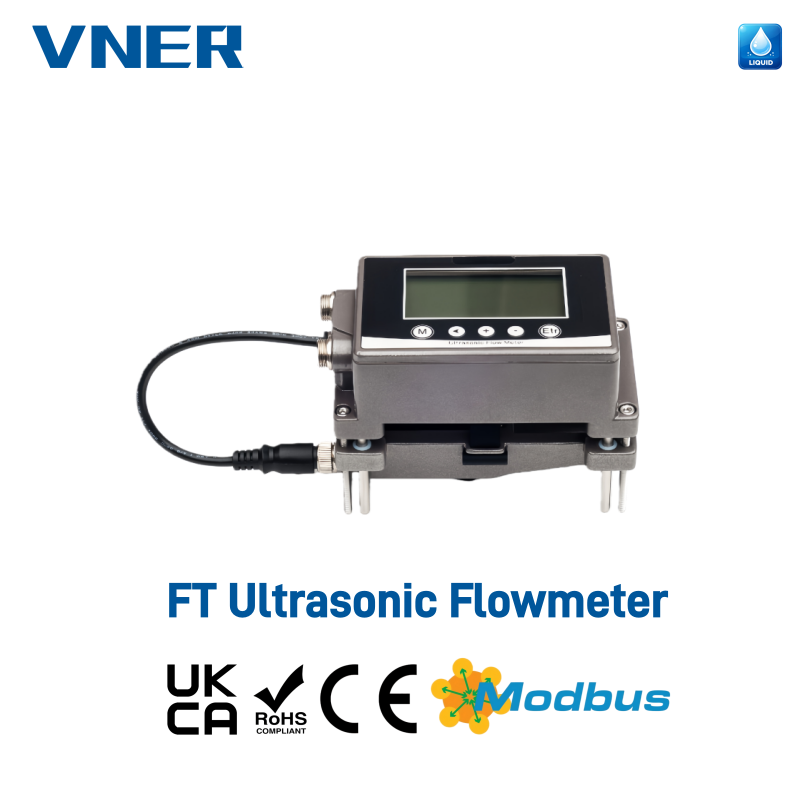


PRODUCT DESCRIPTION
VNFT211 Clamp-On Ultrasonic Flow Meter
Small Pipe Size Solution (DN15–DN65)
Working Principle
The VNFT211 ultrasonic flow meter operates based on the transit-time ultrasonic measurement principle. Two external clamp-on ultrasonic transducers are mounted on the outer surface of the pipe. By transmitting and receiving ultrasonic signals upstream and downstream through the pipe wall and liquid medium, the instrument calculates the time difference caused by fluid flow velocity.
This time differential is directly proportional to the flow rate, allowing accurate flow measurement without direct contact with the process medium.
As a non-intrusive measurement solution, VNFT211 eliminates pressure loss, avoids contamination risks, and ensures uninterrupted system operation.
PRODUCT FEATURES
Non-Intrusive Clamp-On Design
-
External clamp-on installation without cutting pipes or stopping the process
-
No contact with liquid medium, eliminating pressure loss and contamination risk
-
Ideal for retrofit projects and continuous operation systems
Fast & User-Friendly Installation
-
Installation and commissioning can be completed within minutes
-
No special tools or pipeline modification required
-
Significantly reduces labor cost and downtime
Flexible Configuration & Wide Compatibility
-
One universal sensor set supports all pipe sizes within the measuring range
-
Compatible with metal pipes and rigid plastic pipes (PVC, PP, PVDF)
-
Suitable for DN15–DN65 pipelines
Clear & Informative Display
-
256 × 128 high-resolution LCD
-
Displays flow rate, accumulated flow, status information, and alarms
-
Flow readings can be monitored directly on-site
Energy Measurement Capability (Optional)
-
Can be configured as an ultrasonic cooling / heating energy meter (BTU meter)
-
Supports energy consumption monitoring and management
-
Suitable for HVAC, chilled water, and heating applications
Industrial Communication & Output
-
Standard 4–20 mA analog output
-
Modbus RS485 communication for integration with PLC and DCS systems
-
Optional pulse output (OCT) and relay alarm output
-
Enables remote monitoring, data acquisition, and efficiency analysis
Reliable Industrial Performance
-
Factory low-velocity cutoff at 0.08 m/s to avoid false readings
-
Fast response time adjustable from 0.5 to 60 seconds
-
Long-term data storage with EEPROM backup (over 10 years)
-
Designed for stable operation in harsh industrial environments
TECHNICAL CHARACTERISTICS
Typical Applications
-
Water supply and distribution systems
-
HVAC chilled water and heating circuits
-
Energy consumption monitoring
-
Industrial process water measurement
-
Retrofit projects with limited installation space
Product Details
Technical Specifications
Pipe Size Range: DN15 – DN65
Pipe Material: Metal pipes / Rigid plastic pipes (PVC, PP, PVDF)
Liquid Type: Water and other single-phase liquids (No solid particles or impurities)
Temperature Range: 0 to 115 °C (No surface freezing)
Accuracy: ±2% (±1% after calibration)
Response Time: 0.5 – 60 s (adjustable)
Display: 256 × 128 LCD
Power Supply: 10–24 VDC, Power consumption < 3 W
Output & Communication
-
4–20 mA
-
Modbus RS485
-
Optional: Pulse output (OCT), relay alarm
Protection & Reliability
-
Enclosure: IP65
-
Power reverse connection protection
-
Surge and short-circuit protection
-
Vibration resistance: 10–55 Hz, 1.5 mm
-
Shock resistance: 100 m/s², 16 ms
Environmental Conditions
-
Ambient temperature: –10 to 60 °C
-
Relative humidity: 35–85% RH (non-condensing)
Housing Material: Aluminum & industrial-grade plastics
ABOUT US
As China VNFT Ultrasonic Flowmeter Manufacturers and VNFT Ultrasonic Flowmeter Suppliers, we are renowned for manufacturing professional and high-precision industrial instruments. Our expertise lies in providing unparalleled flow measurement resources, backed by over 12 years of experience solving complex applications.
Our precision flow metering devices are used by a diverse range of users, ranging from major oil and gas companies to photovoltaic providers, pharmaceutical manufacturers, and municipal services. We continuously contribute to the development of flow measurement in the domestic energy and chemical industries due to our expertise in measuring variable component gases and peculiar mediums.
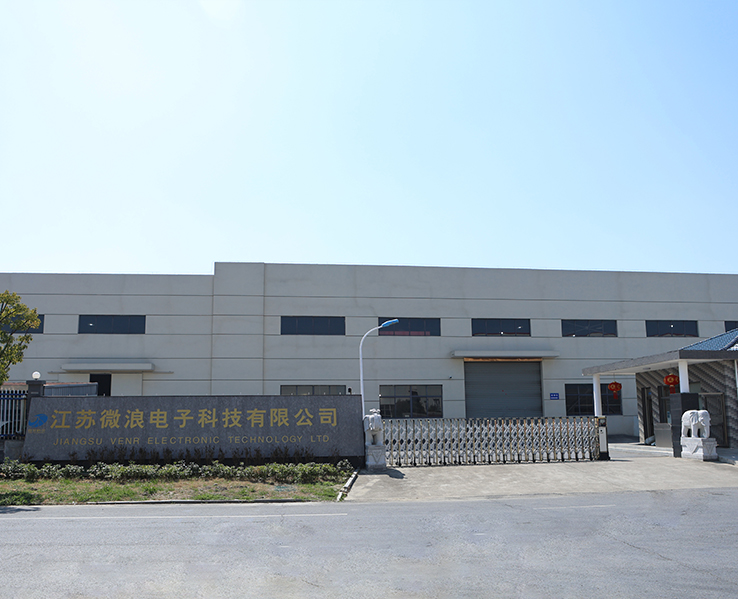
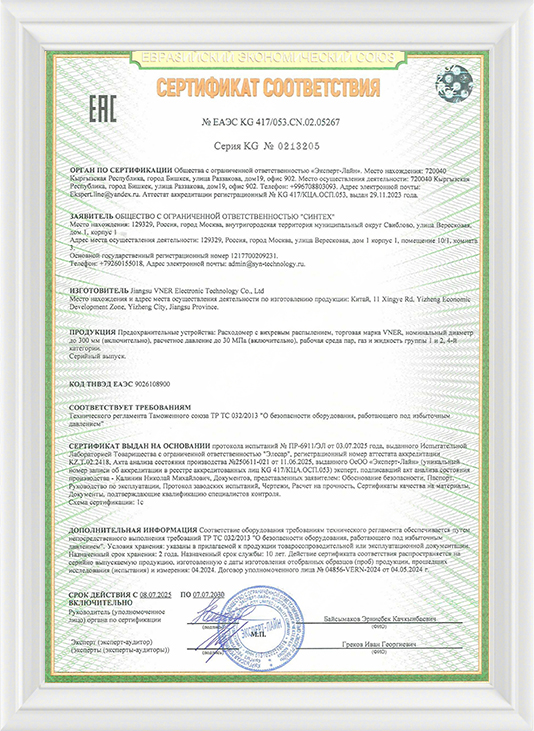
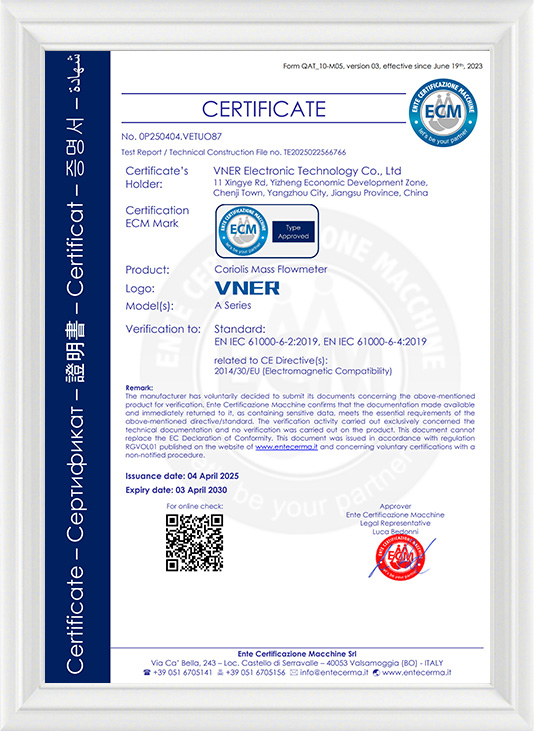
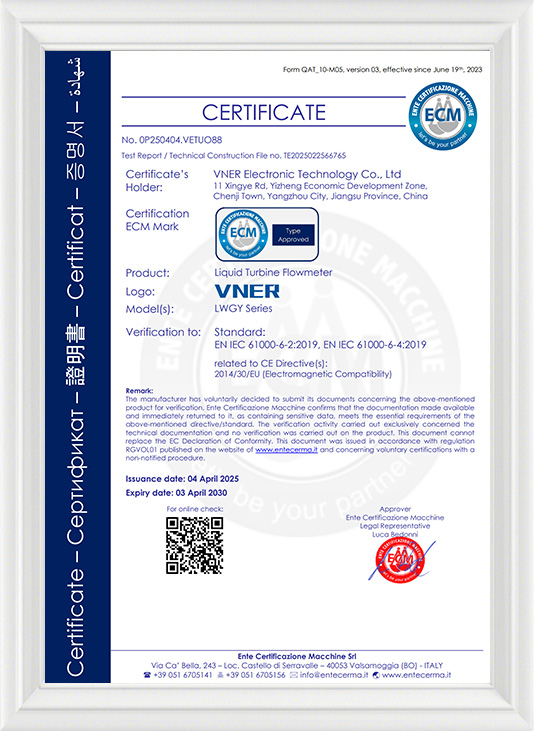
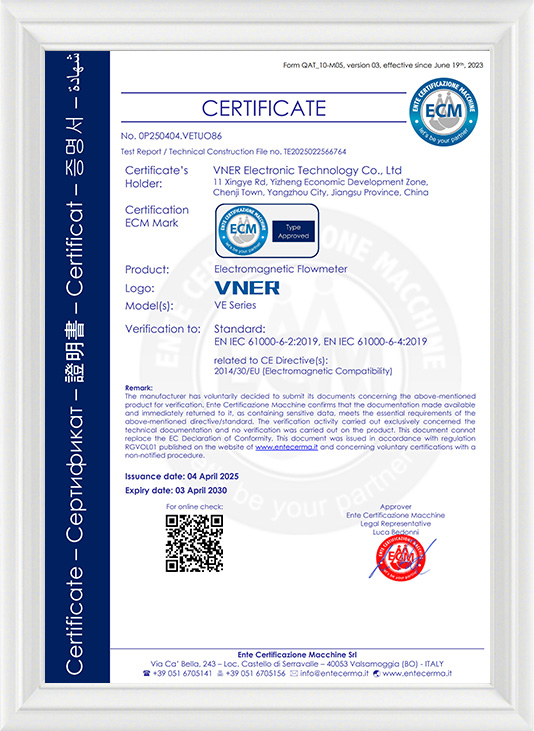
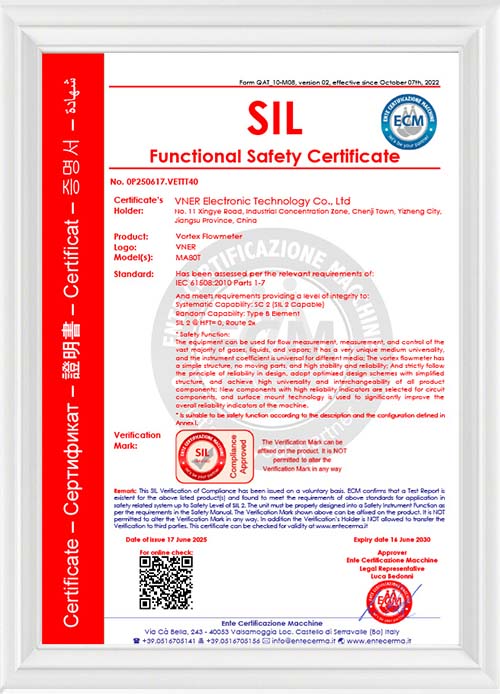
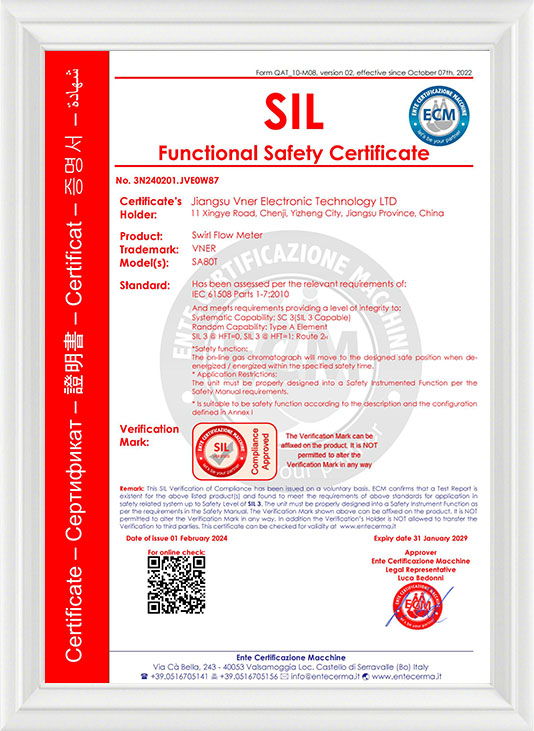
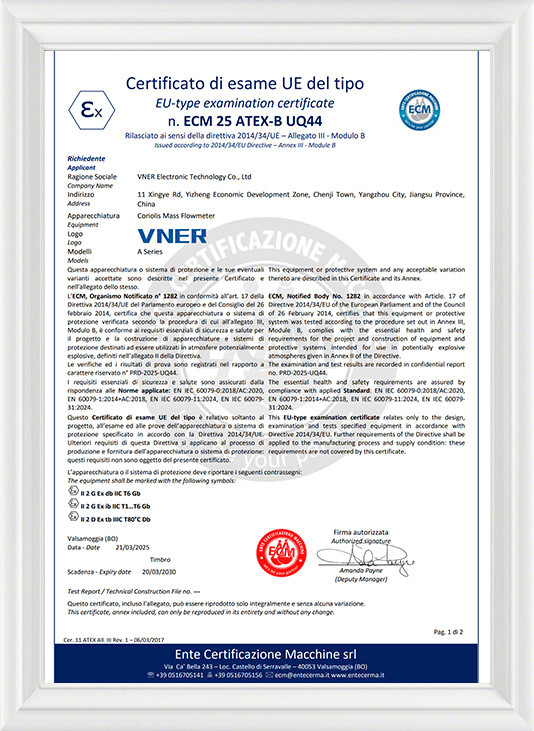
Certificate Of Honor
News
-
In the realm of precision fluid measurement, the Liquid Turbine Flowmeter remains one of the most reliable and efficient instruments for handling clean, low-viscosity fluids. The L...
READ MORE -
Engineering Selection Guide for Chemical, Utility & Industrial Applications Accurate flow measurement plays a critical role across water treatment, chemical processing, utilit...
READ MORE -
In the specialized field of fluid dynamics, the Swirl Flowmeter stands out due to its unique "vortex precession" principle, offering high accuracy and a wide turndown ratio. The in...
READ MORE -
Chinese New Year Holiday Notice As the Chinese New Year approaches, VNER Electronic Technology LTD extends its sincere gratitude to our valued customers, partners, and colleague...
READ MORE
Message Feedback
VNFT Ultrasonic Flowmeter Industry knowledge
The VNFT211 series clamp-on ultrasonic flowmeter represents a transformative leap in non-intrusive fluid measurement technology. Specifically engineered for small pipe sizes ranging from DN15 to DN65, this instrument provides an elegant solution for industries where process interruption is not an option. From pharmaceutical manufacturing to municipal water services and high-end HVAC systems, the VNFT211 combines the reliability of transit-time acoustics with the intelligence of modern industrial communication protocols.
As a leading China VNFT Ultrasonic Flowmeter Manufacturers and Suppliers, we bring over 12 years of specialized experience in solving the most complex flow measurement applications. Our expertise in measuring peculiar mediums and variable component gases has allowed us to refine the VNFT211 into a robust, high-precision industrial instrument that serves major oil and gas companies, photovoltaic providers, and municipal services globally.
How Does the Transit-Time Ultrasonic Principle Enable Non-Intrusive Flow Measurement Across Small Industrial Pipelines?
The core of the VNFT211's performance lies in the fundamental physics of acoustic transit-time differentials. In a world where precision is paramount, understanding how sound waves interact with moving fluids is essential for achieving accurate mass and volumetric flow data without physical contact with the medium.
1. The Physics of Acoustic Propagation in Moving Fluids
The VNFT211 utilizes two high-frequency ultrasonic transducers mounted on the exterior of the pipe. These transducers function as a paired set, alternating between transmitting and receiving ultrasonic pulses. When a pulse is sent from the upstream sensor to the downstream sensor, it travels with the direction of the flow. Conversely, the pulse sent from the downstream sensor to the upstream sensor travels against the flow.
In a perfectly stationary fluid, the time taken for these pulses to travel (the transit time) would be identical. However, when the fluid is in motion, the sound wave moving "downstream" is accelerated by the velocity of the liquid, while the "upstream" wave is resisted. This creates a minute but measurable time difference (
2. Signal Integrity and Small-Pipe Accuracy (DN15–DN65)
Measuring flow in small pipelines (DN15 to DN65) presents unique challenges. The distance between transducers is short, meaning the time differential is extremely small. To maintain an accuracy of ±2% (or ±1% after specialized calibration), the VNFT211 employs advanced noise-filtering algorithms and high-resolution timing circuits.
Our technical team has engineered the VNFT211 to handle various pipe materials, including metal (Steel, Iron, Copper) and rigid plastics (PVC, PP, PVDF). The device’s ability to "see" through the pipe wall without cutting into the line ensures that the flow profile remains undisturbed, preventing the pressure drops and turbulence often associated with traditional turbine or orifice-plate meters. Furthermore, a factory-set low-velocity cutoff of 0.08 m/s prevents "zero-drift" and ensures that false readings from ambient vibrations do not compromise data integrity.
3. Versatile Measurement Modalities and Energy Monitoring
The non-intrusive design is not only about flow rate; it is about system-wide information. The VNFT211 can be configured for bi-directional flow, allowing users to monitor both supply and return lines in complex industrial networks. Moreover, the "Energy Measurement" option transforms the flowmeter into a sophisticated BTU meter. By integrating temperature data from the process, the VNFT211 calculates the thermal energy consumption of the system, making it an indispensable tool for HVAC management and industrial cooling/heating circuits.
What Are the Essential Installation Protocols for Achieving Optimal Signal Strength with Clamp-On Ultrasonic Sensors?
The physical installation of the VNFT Ultrasonic Flowmeter is a critical phase that determines the long-term success of the measurement system. While the "clamp-on" nature of the device allows for installation and commissioning within minutes, following professional engineering protocols is mandatory to ensure acoustic transparency and signal stability.
1. Strategic Site Selection and Hydraulic Stability
For the ultrasonic transit-time principle to yield accurate results, the fluid flow must be stable and free from excessive swirls or cavitation. This requires the selection of a straight run of pipe. As professional China VNFT Ultrasonic Flowmeter Suppliers, we recommend a minimum of 10 diameters (10D) of straight pipe upstream and 5 diameters (5D) downstream from the installation point.
Proximity to pumps, throttled valves, or sharp elbows should be avoided. In horizontal pipelines, the transducers should be positioned at the "3 o'clock" and "9 o'clock" positions. This mounting strategy ensures that the ultrasonic path avoids air bubbles (which collect at the top of the pipe) and sediment (which settles at the bottom), both of which can scatter or block the acoustic signal.
2. Surface Preparation and Acoustic Coupling Procedures
Ultrasonic waves cannot bridge air gaps. Therefore, the interface between the transducer face and the pipe surface must be acoustically "seamless." The first step is to clean the pipe surface, removing any loose rust, paint, or scale until the material is smooth.
A high-quality acoustic couplant (silicone grease or specialized gel) must be applied to the transducer surface before clamping it to the pipe. The VNFT Ultrasonic Flowmeter features a user-friendly clamping mechanism that requires no special tools. During the clamping process, the user must ensure that the pressure is uniform to maintain a constant bond. The 256 x 128 high-resolution LCD screen provides real-time feedback on signal strength (S) and signal quality (Q), allowing the installer to micro-adjust the sensor position for the highest possible signal-to-noise ratio.
3. Commissioning and Electronic Configuration
Once the physical sensors are in place, the electronic module must be programmed with the specific parameters of the installation. This includes:
Pipe Outer Diameter: Crucial for calculating the acoustic path length.
Wall Thickness: Vital for adjusting the refraction angle of the sound wave.
Pipe Material: Defines the speed of sound through the solid medium (e.g., the speed of sound is different in PVC vs. Carbon Steel).
Fluid Type: Most applications involve water, but the VNFT211 can be configured for other single-phase liquids within a temperature range of 0 to 115 °C.
After these parameters are entered, the meter calculates the optimal "spacing" between the transducers. The technician moves the sensors to this specific distance, locks them into place, and verifies that the "Time Ratio" and "Signal Strength" indicators are within the factory-specified ranges.
How can the energy measurement capabilities of the VNFT Ultrasonic Flowmeter be integrated with the Industrial Internet of Things (IIoT) to achieve refined energy management?
In the era of Industry 4.0 and global carbon neutrality goals, the role of the flowmeter has evolved from a simple monitoring device into a critical data node in the Industrial Internet of Things (IIoT) architecture. The VNFT211 is designed to bridge the gap between physical sensing and digital management.
1. Integrating the BTU Meter for Energy Efficiency
The VNFT211 serves as more than just a liquid flow sensor; it acts as a thermal energy calculator. By connecting temperature sensors to monitor supply and return lines, the meter calculates the instantaneous heat exchange rate. This is vital for HVAC chilled water systems and industrial heating circuits where energy costs are a major operational expense.
For pharmaceutical manufacturers and high-tech facilities, having real-time access to "Energy Flow" data allows for the optimization of chillers and boilers. Since the VNFT211 doesn't interfere with the process, it can be deployed as a temporary auditing tool or a permanent energy-saving monitor to track the "Coefficient of Performance" (COP) of various industrial sub-systems.
2. Digital Connectivity: Modbus RS485 and Cloud Integration
The VNFT211's support for Modbus RS485 communication allows it to be integrated into a network of hundreds of devices. This protocol is the backbone of modern Building Management Systems (BMS) and Industrial Control Systems (ICS). Through this digital link, the VNFT211 transmits a rich stream of data, including:
-
Instantaneous Mass/Volume Flow
-
Totalized Cumulative Flow
-
Energy Consumption Rate
-
Signal Quality and Diagnostic Status
By streaming this data to a cloud-based Energy Management System (EMS), facility managers can perform long-term trend analysis. For municipal services and major oil companies, this connectivity enables "Predictive Maintenance." For instance, if the digital data shows a gradual increase in flow velocity for the same energy output, it may indicate a loss of efficiency in the pump or a leak in a downstream circuit, allowing for intervention before a catastrophic failure occurs.
3. Scaling Safety and Compliance in the IIoT Ecosystem
Safety and reliability in the IIoT ecosystem are non-negotiable. The VNFT211's protection features—including vibration resistance (10–55 Hz) and shock resistance—ensure that the digital data remains accurate even in the presence of heavy machinery. Our ISO9001, ISO14001, and ISO45001 certifications provide the regulatory foundation for integrating these devices into global pharmaceutical and chemical supply chains.
The combination of 4–20 mA analog output for legacy systems and Modbus RS485 for modern digital architectures makes the VNFT211 a "future-proof" instrument. As China VNFT Ultrasonic Flowmeter Manufacturers, we continue to innovate by ensuring that our high-precision resources remain compatible with evolving digital standards, helping our customers transition from "experience-based management" to "data-driven excellence."

We offer all our products and services at international standards.
Products
Contact Information
-

+86-18652789521
+86-18052582295
+86-0514-83633600 / 83633900 -

+86-0514-83633600 / 83633900
-

-

No. 11 Xingye Road, Chenji Town Industrial Park, Yizheng, Yangzhou, China
