
 0
0
 EN
EN  English
 عربى
عربى Español
 русский
 Turkish
If you need any help, please feel free to contact us
Product Brochure


 Selection Guide


PRODUCT DESCRIPTION
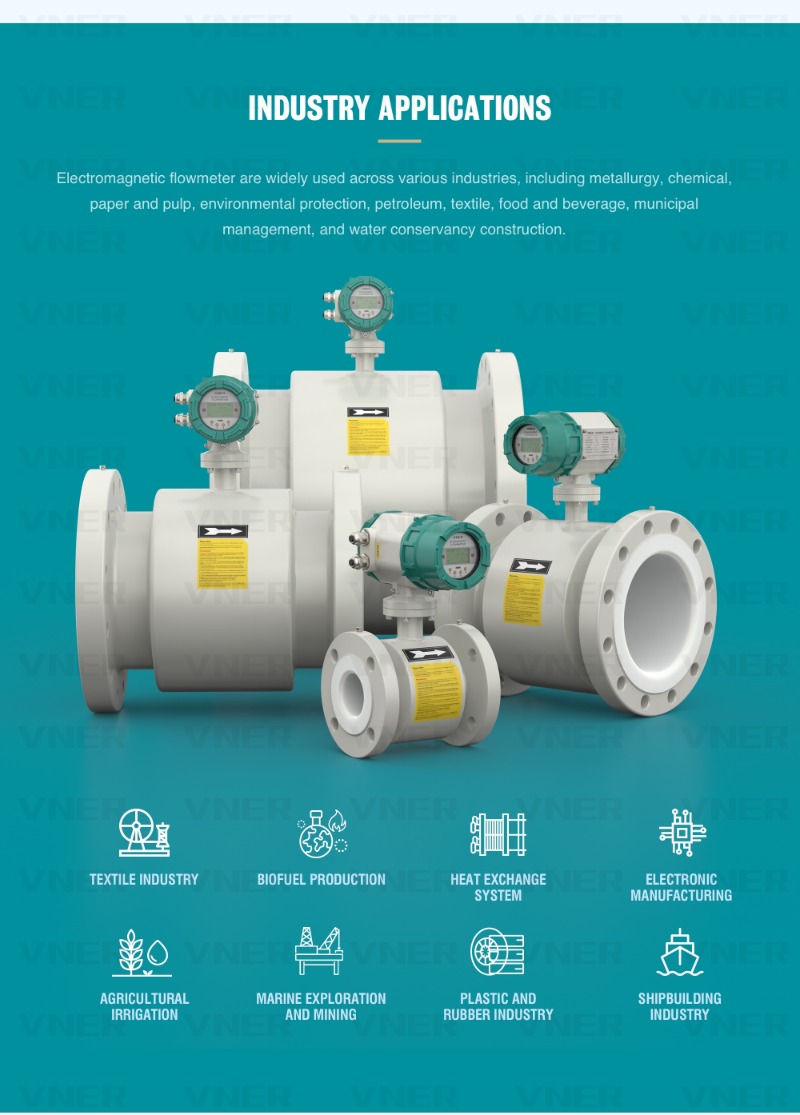
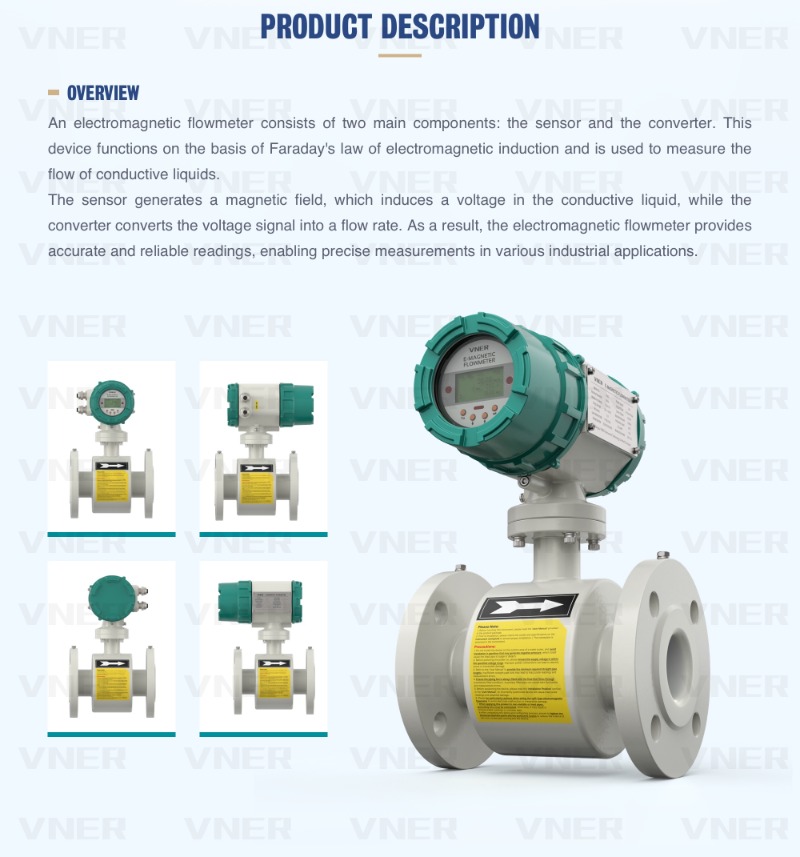
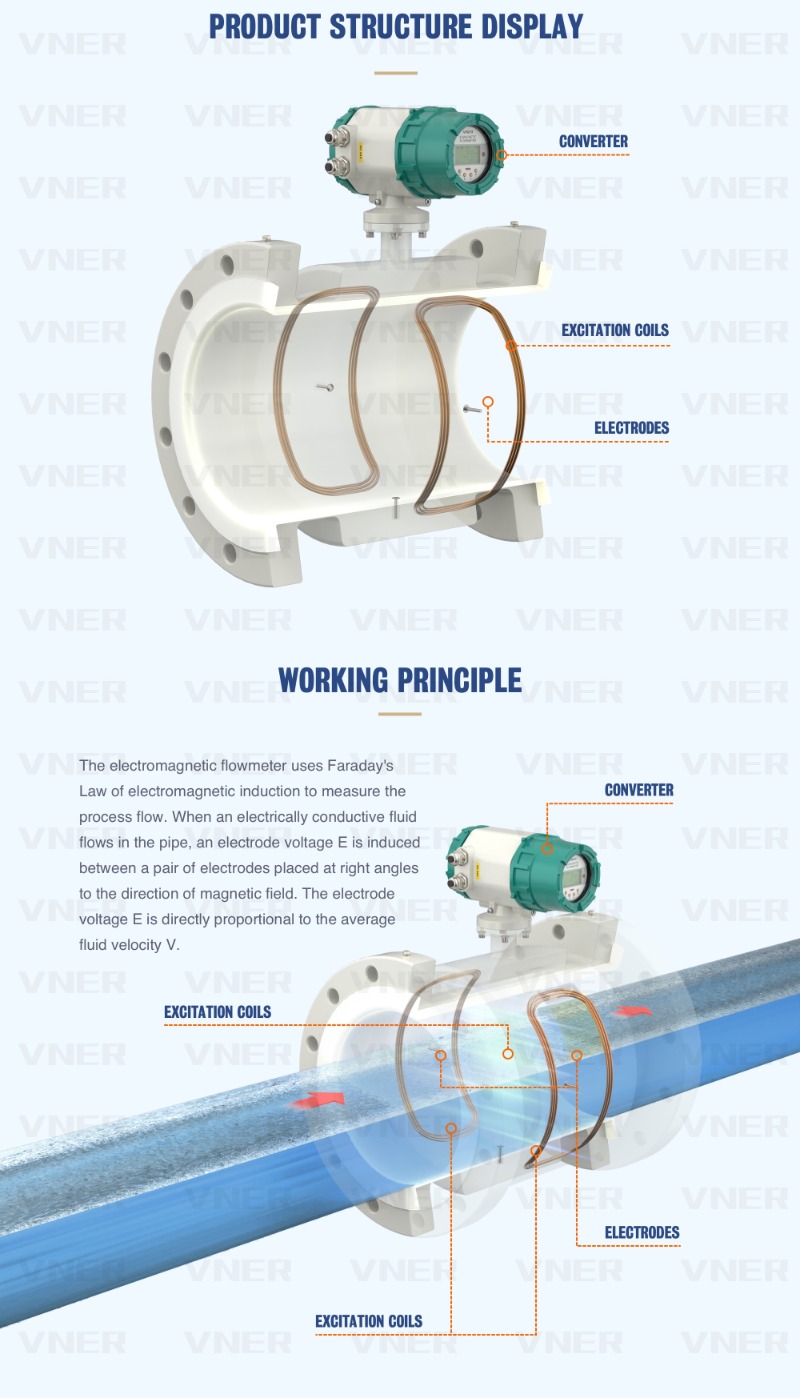
An electromagnetic flowmeter has two main components - the sensor and the converter. It works by utilizing Faraday's law of electromagnetic induction to measure the flow of conductive liquids. This device is widely used in various industries such as metallurgy, chemical, paper and pulp, environmental protection, petroleum, textile, food and beverage, municipal management, and water conservancy construction.
The electrodes generate a magnetic field that induces a voltage in the conductive liquid. Meanwhile. The converter converts the voltage signal into a flow rate. As a result. The electromagnetic flowmeter provides highly accurate and reliable readings, enabling precise measurements in different industrial applications.
PRODUCT FEATURES
- Low-frequency square wave excitation, excitation frequency: 1/16, 1/20, 1/25.
- High-frequency square wave excitation, excitation frequency: 1/2 (for slurry measurement).
- Excitation current can be selected as 125mA,187.5mA,250mA, or 500mA.
- Empty tube measurement function without additional electrodes, continuous measurement, fixed value alarm.
- Flow rate measurement range: (0.1-15) m/s, flow rate resolution: 0.5 mm/s.
- Communication Protocols: MODBUS, HART, GPRS, PROFIBUS (optional).
- Chinese, English display (other languages can be customized).
- There are three internal accumulator totals, which can be recorded separately: forward total, reverse total, and differential total.
TECHNICAL CHARACTERISTICS
- Nominal Diameter(mm): DN (3-3000).
- Measuring medium: acids, alkalis, salt solutions, pulp, slurry and other conductive mediums.
- Process temperature:(-25~±180)°C.
- Nominal Pressure: standard model ≤ 4.0 MPa.
- Accuracy rating (%):± 0.5%.
- Repeatability: better than 0.1%
- Rangeability: standard model 100:1
- Output:(4~20)mA, HART communication, RS485 optional.
Typical applications: acids, alkalis, salt solutions, pulp, slurries and other conductive fluids.
Product Details
ABOUT US
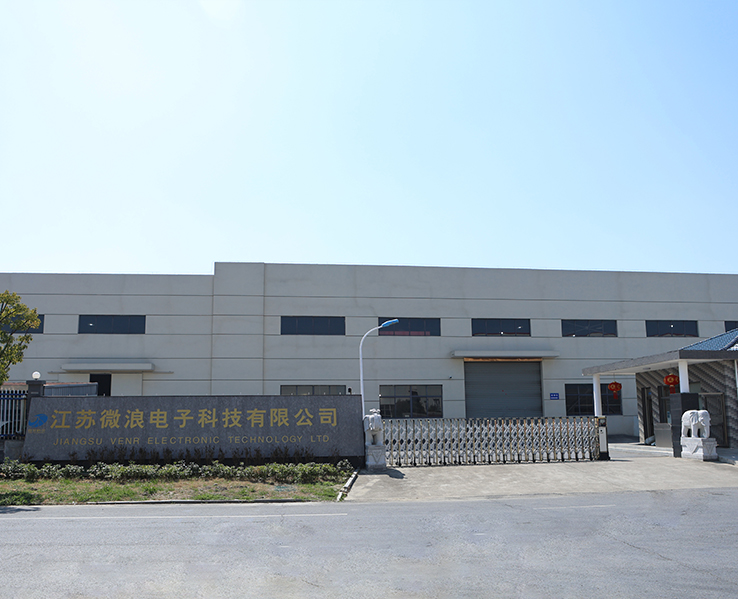
As China LDG Electromagnetic Flowmeter Factory and LDG Electromagnetic Flowmeter Suppliers, we are renowned for manufacturing professional and high-precision industrial instruments. Our expertise lies in providing unparalleled flow measurement resources, backed by over 12 years of experience solving complex applications.
Our precision flow metering devices are used by a diverse range of users, ranging from major oil and gas companies to photovoltaic providers, pharmaceutical manufacturers, and municipal services. We continuously contribute to the development of flow measurement in the domestic energy and chemical industries due to our expertise in measuring variable component gases and peculiar mediums.
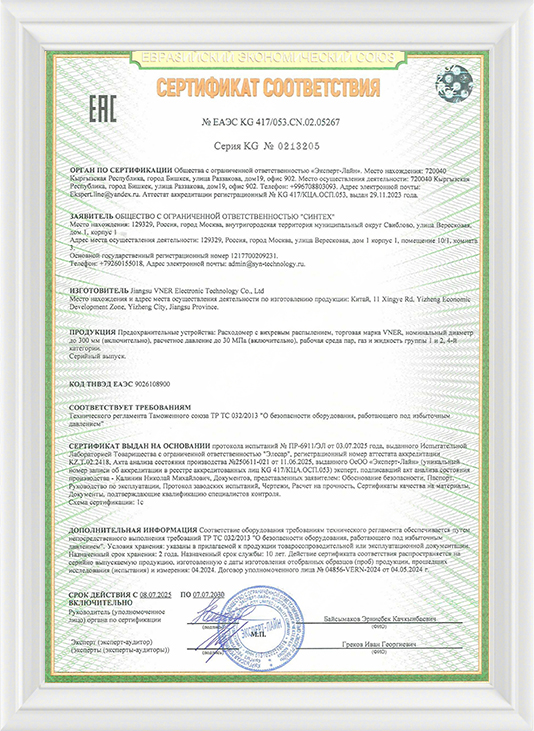
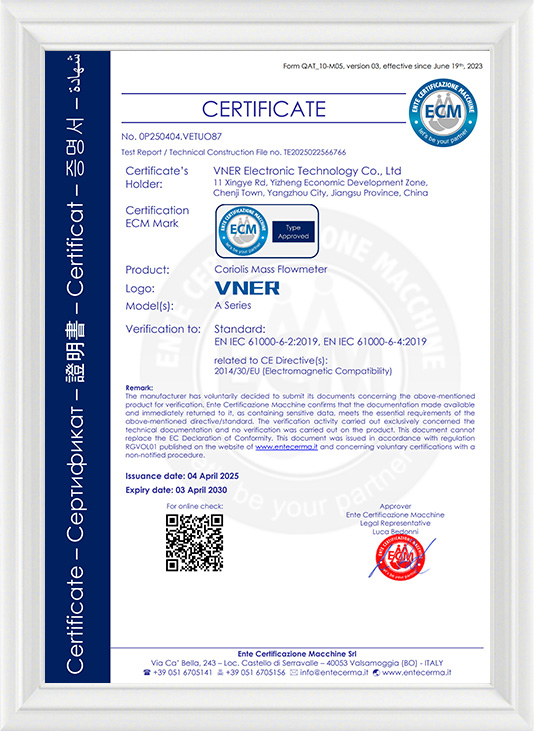
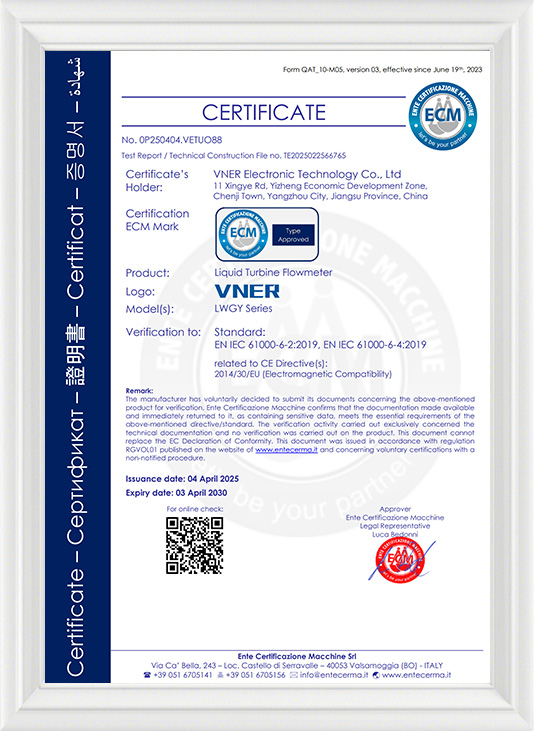
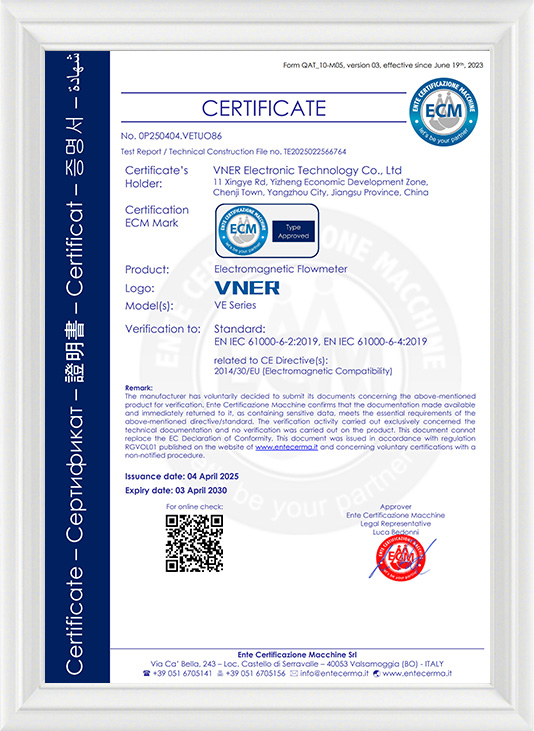
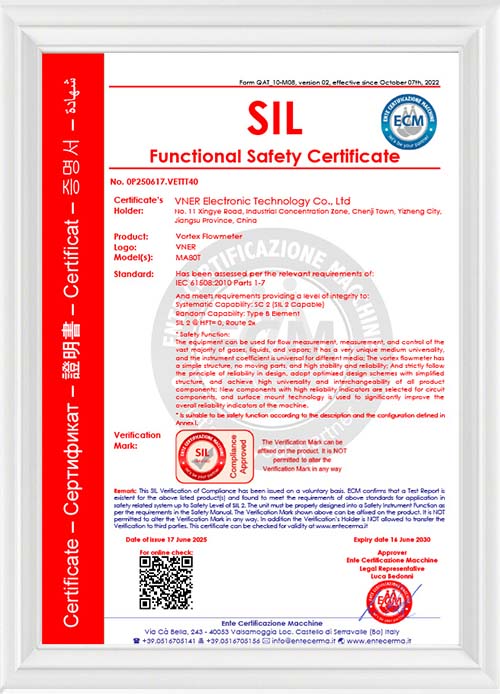
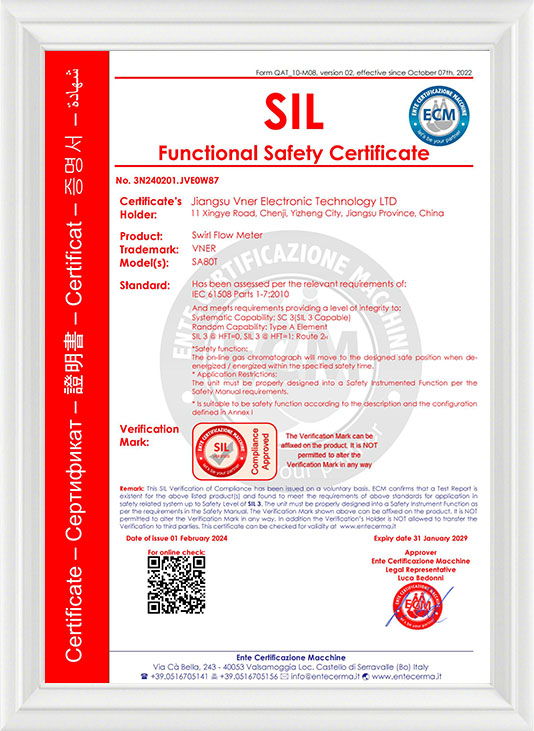
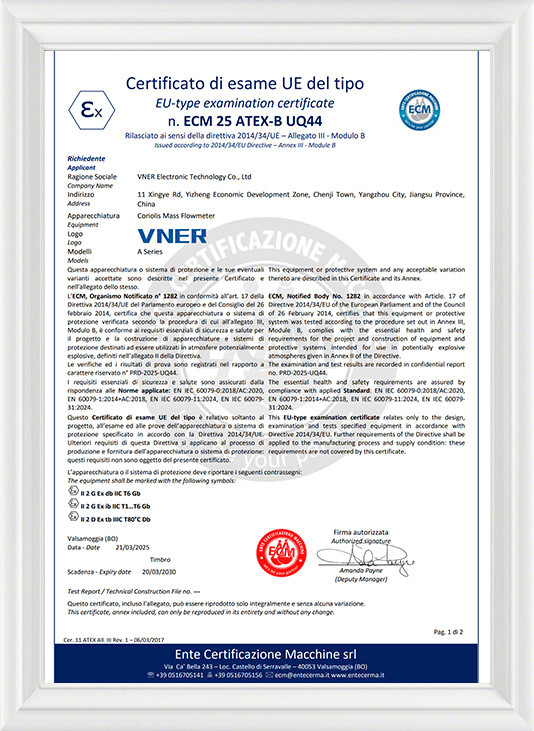
Certificate Of Honor
News
-
In the realm of precision fluid measurement, the Liquid Turbine Flowmeter remains one of the most reliable and efficient instruments for handling clean, low-viscosity fluids. The L...
READ MORE -
Engineering Selection Guide for Chemical, Utility & Industrial Applications Accurate flow measurement plays a critical role across water treatment, chemical processing, utilit...
READ MORE -
In the specialized field of fluid dynamics, the Swirl Flowmeter stands out due to its unique "vortex precession" principle, offering high accuracy and a wide turndown ratio. The in...
READ MORE -
Chinese New Year Holiday Notice As the Chinese New Year approaches, VNER Electronic Technology LTD extends its sincere gratitude to our valued customers, partners, and colleague...
READ MORE
Message Feedback
LDG Electromagnetic Flowmeter Industry knowledge
What is the difference between an LDG electromagnetic flowmeter and a traditional electromagnetic flowmeter?
Compared to traditional electromagnetic flowmeters, LDG electromagnetic flowmeters represent a significant technological evolution, featuring innovations in sensor sensitivity and digital integration. These optimizations result in improved accuracy, stability, reliability, and a wider range of industrial applications. While the core principle of both remains rooted in Faraday's Law of Electromagnetic Induction—calculating flow rate by measuring the induced voltage generated by conductive fluid moving through a magnetic field—the LDG series introduces several transformative advantages.
Precision and Processing: LDG electromagnetic flowmeters utilize higher-precision sensors and advanced digital circuit designs. Unlike traditional devices, LDG flowmeters feature optimized digital signal processing (DSP) and noise suppression, enabling them to maintain high measurement accuracy even under complex or turbulent fluid conditions. This provides more reliable data for precision-critical industries, such as the chemical and pharmaceutical sectors.
Application Versatility: Traditional electromagnetic flowmeters often face challenges when handling fluids with extremely high viscosities, solid particles, or air bubbles. LDG flowmeters utilize advanced electrode materials (such as Hastelloy or Tantalum) and enhanced anti-interference capabilities, enabling them to operate under more complex conditions. For example, when measuring slurries, pulp, or wastewater, LDG flowmeters provide significantly more stable and accurate readings.
Intelligence and Maintainability: LDG electromagnetic flowmeters are designed with modern "Industry 4.0" maintenance in mind. Incorporating intelligent diagnostic features, these instruments monitor their own health status in real-time and alert users when maintenance or calibration is required. This intelligent design reduces the frequency of manual intervention, prevents unplanned downtime, and lowers total cost of ownership.
LDG vs. Traditional Flowmeters
|
Comparison Item |
LDG Electromagnetic Flowmeter |
Traditional Electromagnetic Flowmeter |
|---|---|---|
|
Accuracy |
High precision; uses advanced DSP to maintain stable measurement in complex fluids. |
Average precision; signal may fluctuate or drift in complex industrial conditions. |
|
Design and Technology |
Intelligent design with self-diagnostics, real-time monitoring, and remote capabilities. |
Simpler analog-based design; typically lacks smart features, relying on manual inspection. |
|
Extreme Conditions |
Customizable materials for high-temperature and high-pressure extreme environments. |
Limited capability; often requires additional cooling or protective devices to operate. |
|
Applicable Fluid Types |
Suitable for complex fluids, including slurries, wastewater, and fluids with particles/bubbles. |
Best suited for clean, non-particle conductive fluids; prone to wear or noise in slurries. |
|
Anti-Interference |
Superior anti-electromagnetic interference; stable operation near inverters or motors. |
Weaker resistance; susceptible to environmental noise leading to measurement errors. |
|
Manufacturing |
High-precision automated production ensuring high consistency and reliability. |
Traditional processes with potential manual errors, leading to product variability. |
|
Maintenance |
Intelligent monitoring and automatic fault diagnosis; easy to maintain. |
Relies on manual troubleshooting; complex fault detection and longer downtime. |
|
Sustainability |
Focuses on green manufacturing, eco-friendly materials, and low energy consumption. |
Less focus on environmental impact and energy efficiency during production. |
What are the advantages of LDG electromagnetic flowmeters in the energy and chemical industries?
Jiangsu Vner Electronic Technology Co., Ltd. is a leader in promoting intelligent upgrades in flowmeter manufacturing. Leveraging high-precision automated production and digital manufacturing technology, LDG electromagnetic flowmeters offer distinct advantages in the energy and chemical sectors.
Resilience in Harsh Environments: Fluids in the energy and chemical industries often involve extreme temperatures, high pressures, and corrosive properties. Jiangsu Vner utilizes independently developed automated equipment to ensure that components like electrodes and lining materials (e.g., PTFE, PFA) meet specialized requirements. Rigorous control over material selection and machining accuracy ensures stable performance in high-stress environments.
Stability with Complex Media: In chemical processes involving slurries, wastewater treatment, or oil-gas mixtures, traditional meters may fail due to clogging or electrode coating. The LDG flowmeter's "no-moving-parts" design avoids mechanical wear and blockages. The high consistency provided by intelligent production technology ensures long-term reliability in these abrasive conditions.
Digital Intelligent Manufacturing: Jiangsu Vner's core advantage lies in its digital production line. From sensor design to circuit board installation and final assembly, every step is digitized. This ensures that every unit undergoes precise automated testing and calibration, meeting the strict measurement standards required by modern chemical plants.
Sustainability and Green Production: In line with modern ESG (Environmental, Social, and Governance) goals, LDG flowmeters are produced using environmentally friendly materials with strictly controlled energy consumption. This green manufacturing philosophy helps enterprises reduce their environmental footprint while improving production efficiency.
Predictive Maintenance: The intelligent monitoring capabilities of LDG flowmeters are vital for chemical safety. Advanced self-diagnostic features provide real-time feedback on device health, allowing operators to implement maintenance proactively and avoid the catastrophic costs associated with unplanned production halts.
What is the LDG electromagnetic flowmeter's anti-interference capability?
Anti-interference capability is critical for flowmeters operating near electrical equipment. The LDG electromagnetic flowmeter features a unique design to ensure stable operation:
Advanced Signal Filtering: Utilizing high-quality shielding and advanced signal processing algorithms, LDG flowmeters effectively filter out electromagnetic interference (EMI) from inverters, large motors, and electrical grids. It can extract true flow data even in environments with low signal-to-noise ratios.
Structural Adaptability: The design emphasizes environmental resilience. Enhanced power supply stability and signal filtering enable the meter to withstand fluctuations in temperature, air pressure, and power supply without affecting the measurement accuracy.
Digital Data Integrity: By utilizing digital signal outputs, the LDG meter offers superior immunity to noise during data transmission compared to traditional analog signals. Software-based error correction further minimizes the impact of external interference.
Real-time Interference Monitoring: The self-diagnostic function can specifically monitor for signal interference, allowing operators to identify and resolve external electrical noise issues immediately.
Selection and Installation Guidelines for LDG Electromagnetic Flowmeters
To ensure the superior performance of an LDG flowmeter, proper selection and installation are essential:
Matching Lining and Electrode Materials:
The longevity and accuracy of the meter depend heavily on material compatibility with the process fluid.
Lining Selection: Generally, Rubber linings are the preferred choice for standard water supply and neutral wastewater due to their excellent wear resistance. For more aggressive media, PTFE or PFA linings provide indispensable resistance against strong acids, corrosive bases, and high-temperature thermal fluids.
Electrode Selection: While 316L Stainless Steel serves as the versatile industrial standard for non-corrosive liquids, Hastelloy is required for weak acid/base solutions to prevent pitting. For highly corrosive chemical applications involving concentrated acids, premium materials such as Tantalum or Platinum-Iridium are used to ensure chemical inertness.
Grounding for Signal Integrity:
Since the induced electromagnetic signal is measured in millivolts, proper grounding is absolutely mandatory to prevent external electrical noise from skewing results. In pipelines made of non-conductive materials like plastic or those with internal linings, grounding rings must be installed. These rings establish a stable electrical reference by connecting the fluid directly to the instrument’s signal ground, thereby eliminating stray currents that cause measurement "drift."
Installation Position and Orientation:
To maintain reliable measurement, the LDG flowmeter must be installed in a location where the pipeline remains completely full of liquid at all times. Vertical installation with an upward flow direction is the highly recommended orientation; this configuration ensures that the sensor is always submerged and prevents entrained air bubbles from collecting at the electrodes, which would otherwise lead to signal fluctuations.
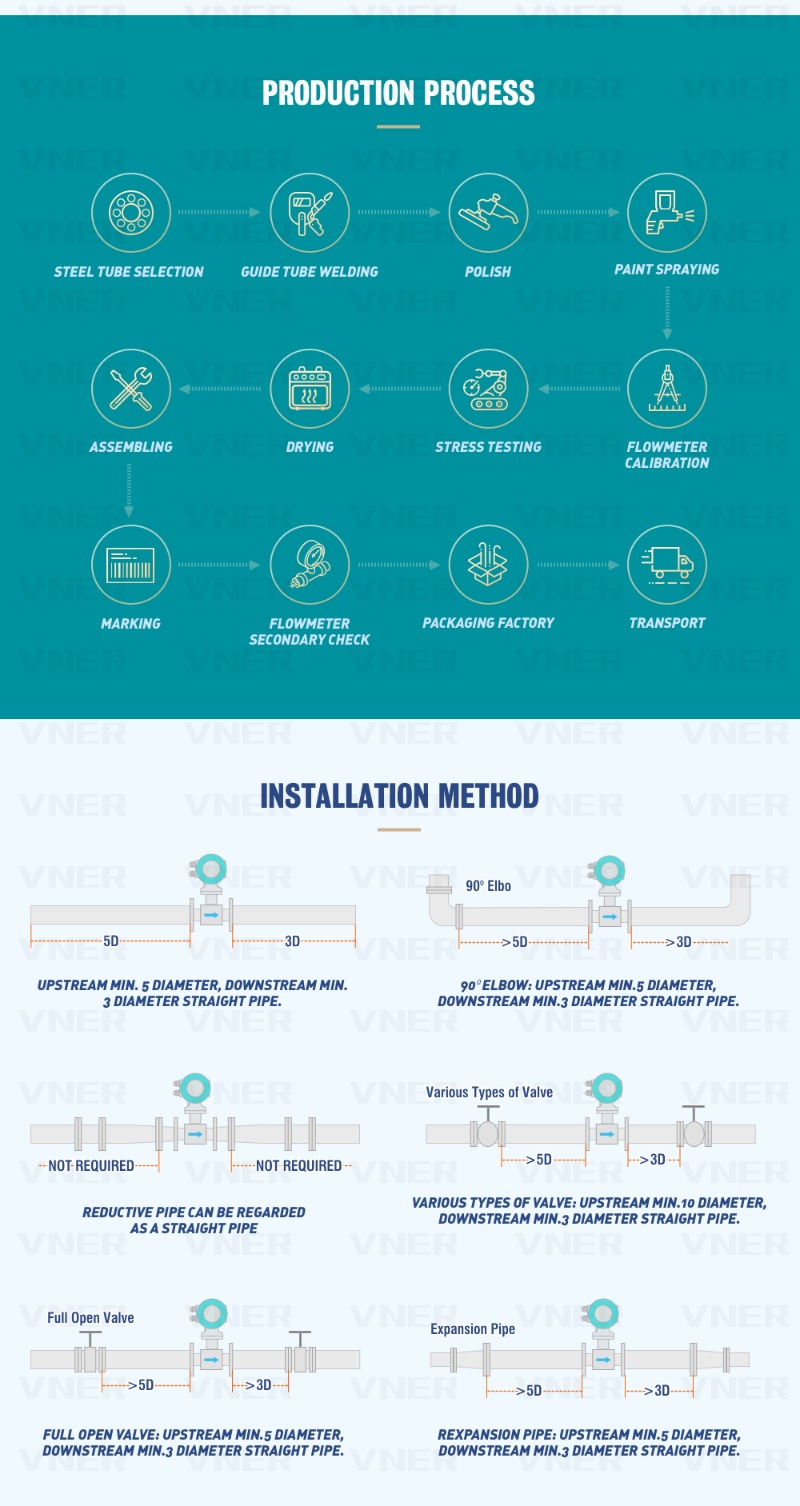
Straight Pipe Requirements (5D/3D Rule):
To ensure a stable, laminar flow profile and achieve the highest possible accuracy, the installation must follow the 5D/3D rule. This requires a straight pipe section of at least 5 times the pipe diameter upstream of the meter and 3 times the diameter downstream. This distance allows turbulence generated by upstream valves, elbows, or pumps to dissipate before reaching the measurement electrodes.

We offer all our products and services at international standards.
Products
Contact Information
-

+86-18652789521
+86-18052582295
+86-0514-83633600 / 83633900 -

+86-0514-83633600 / 83633900
-

-

No. 11 Xingye Road, Chenji Town Industrial Park, Yizheng, Yangzhou, China
