
 0
0
 EN
EN  English
 عربى
عربى Español
 русский
 Turkish
If you need any help, please feel free to contact us
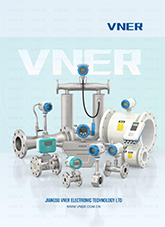
Product Brochure


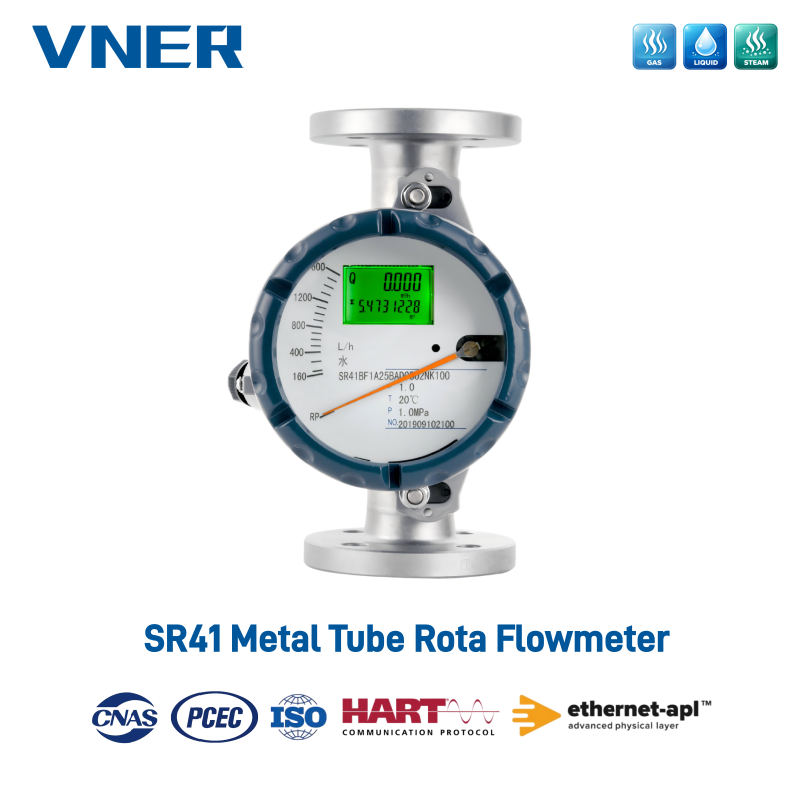


PRODUCT DESCRIPTION
The SR41 Rotameter is an all-metal Variable Area (VA) flowmeter designed for accurate measurement of liquids, gases, and steam. It is widely used in industries including oil & gas, chemical processing, metallurgy, power generation, food & beverage, pharmaceuticals, and pulp & paper.
The SR41 Rotameter features a fully metallic construction with an integrally formed conical measuring tube, providing exceptional mechanical strength, long-term stability, and resistance to process stress. Its modular and intelligent indicator design, combined with a compact footprint and short float travel, ensures reliable measurement even in space-constrained installations.
With a low pressure loss profile, high-temperature and high-pressure capability, and extensive use of corrosion-resistant materials, the SR41 Rotameter is ideally suited for harsh operating environments and aggressive media. A newly developed magnetic coupling transmission system ensures stable signal output while maintaining complete isolation between the measuring chamber and the indication or transmission unit.
PRODUCT FEATURES
-
All-metal Variable Area Rotameter for liquid, gas, and steam measurement
-
One-piece formed conical measuring tube for enhanced mechanical robustness
-
Modular, intelligent indicator design for flexible configuration
-
Compact structure with short stroke and reduced installation space
-
Low pressure loss for improved system efficiency
-
Advanced magnetic coupling transmission for stable and reliable signal output
-
Designed for high-temperature and high-pressure applications
-
Corrosion-resistant materials suitable for harsh and aggressive media
-
Intelligent LCD display supporting:
-
Instantaneous and totalized flow indication
-
4–20 mA analog output
-
Switch signal output
-
High and low alarm functions
-
HART communication protocol
-
Multiple power supply options: 24 VDC or battery-powered
-
Multi-stage correction for viscosity, density, temperature, and pressure
-
Optional magnetic filter or thermal insulation / heating jacket available upon request
TECHNICAL CHARACTERISTICS
-
Measured Media: Gas / Liquid / Steam
-
Accuracy Class: Class 1.5 / Class 2.5
-
Flow Range Ratio: 20:1
-
Nominal Diameter: DN15 to DN100 (15–100 mm)
-
Maximum Working Pressure:
1.6 MPa / 2.5 MPa / 4.0 MPa /
Class 150 / Class 300 / Class 600 / Class 900
-
Flow Measurement Range:
-
Water (20 °C): 2.5 to 100,000 L/h
-
Air (0.1 MPa, 20 °C): 0.07 to 1,000 m³/h
-
Applicable Viscosity:
-
DN15: ≤ 5 mPa·s
-
DN25–DN100: ≤ 350 mPa·s
-
Measuring Principle: Variable Area (VA)
-
Measuring Tube Type: Conical metal tube
-
Scale Graduation: Calibrated according to selected flow units
Product Details
Process Temperature Range
-
Local indication / Remote transmitter / PTFE-lined: –130 to +80 °C
-
Local indication / Remote transmitter: –130 to +250 °C
-
High-temperature local indication version: –130 to +350 °C
Wetted Materials
-
Measuring tube & float materials:
304 / 304L / 316 / 316L / Hastelloy C /
Stainless steel with PTFE lining / Inconel / Monel
Process Connection
-
Flanged connection
-
Sanitary (hygienic) connection
Installation Orientation & Flow Direction
-
Vertical installation: bottom inlet, top outlet
-
Horizontal installation: left-to-right or right-to-left
-
Side inlet to side outlet
-
Bottom inlet to side outlet
Electrical & Communication
-
Ingress Protection: IP67
-
Power Supply Options: None / 24 VDC / Battery-powered
-
Output Signal: Local indication / 4–20 mA
-
Communication Protocol: HART
-
Electrical Cable Entry: M20×1.5, 1/2"-14 NPT
Explosion Protection
-
Non-Ex
-
Intrinsically safe (Ex ia)
-
Flameproof (Ex d)
Ambient Conditions
-
Ambient Temperature: –25 to +60 °C
-
Relative Humidity: 5% to 90%
Self-Diagnostic Functions
-
Float sticking detection
-
Pointer sticking detection
-
Float magnetic field abnormality detection
-
Zero-point deviation detection
-
Abnormal flow fluctuation detection
-
Flow over-limit detection
-
4–20 mA output accuracy diagnostics
-
Parameter configuration error detection
-
Core electronics operating status diagnostics
-
Totalizer error diagnostics
-
Upper and lower flow alarm diagnostics
ABOUT US
As China SR41 Metal Tube Rotameter Manufacturers and SR41 Metal Tube Rotameter Suppliers, we are renowned for manufacturing professional and high-precision industrial instruments. Our expertise lies in providing unparalleled flow measurement resources, backed by over 12 years of experience solving complex applications.
Our precision flow metering devices are used by a diverse range of users, ranging from major oil and gas companies to photovoltaic providers, pharmaceutical manufacturers, and municipal services. We continuously contribute to the development of flow measurement in the domestic energy and chemical industries due to our expertise in measuring variable component gases and peculiar mediums.
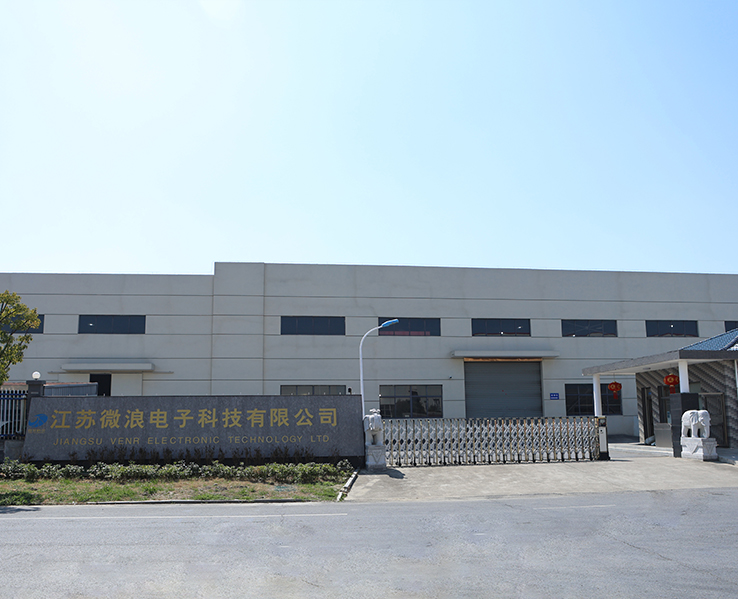
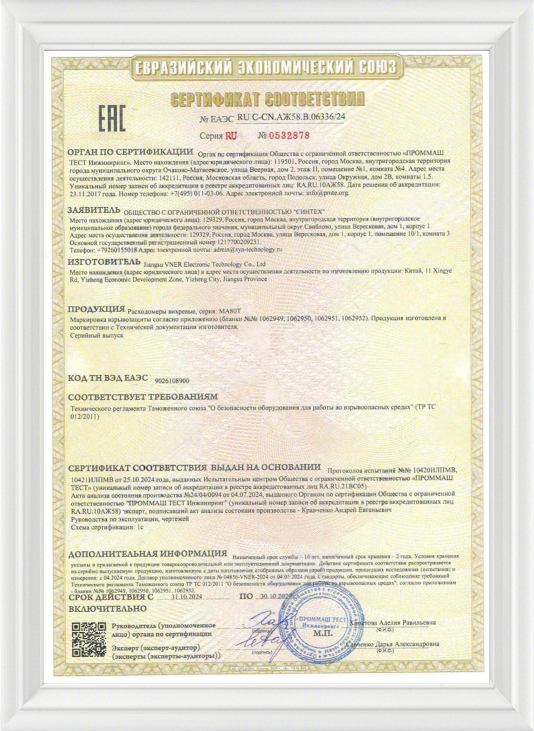
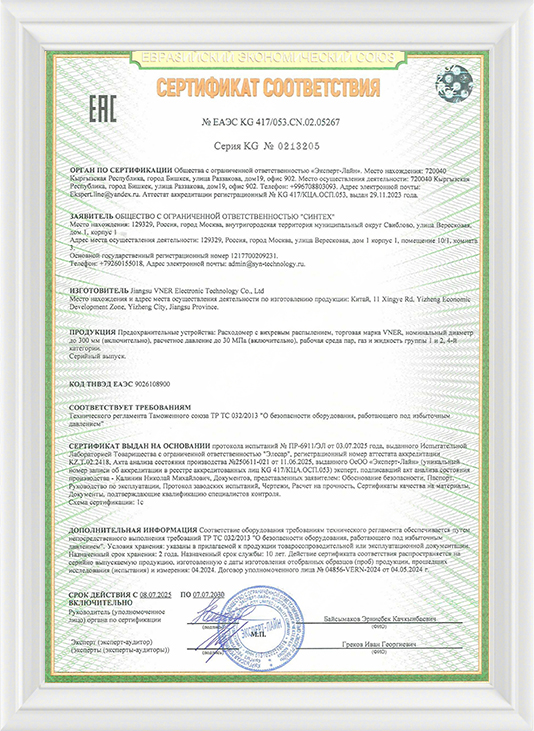
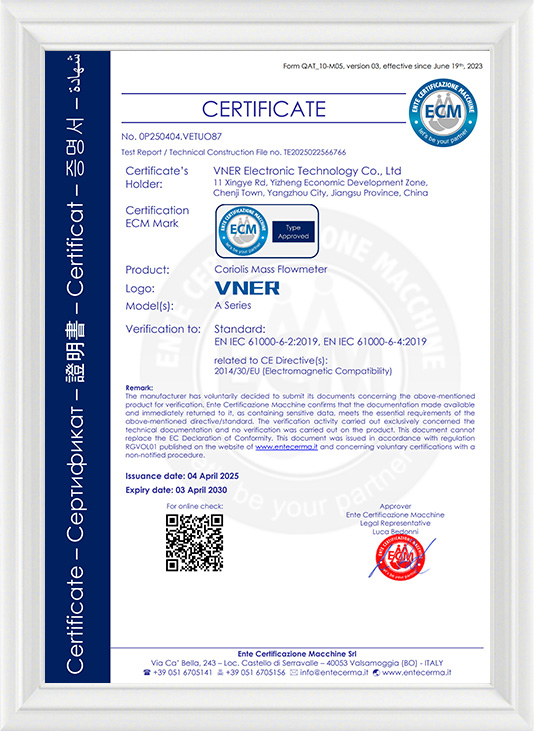
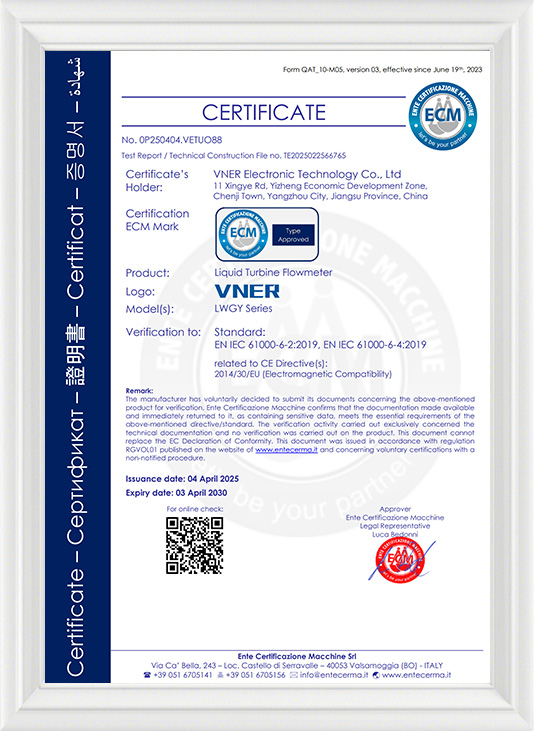
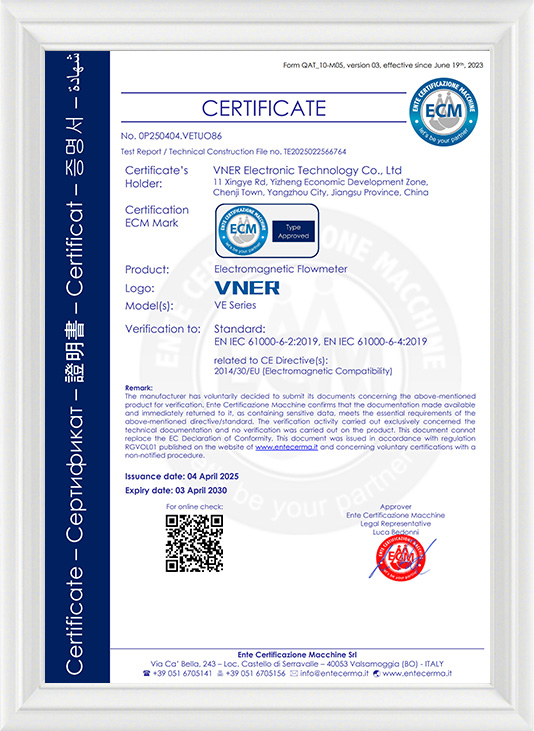
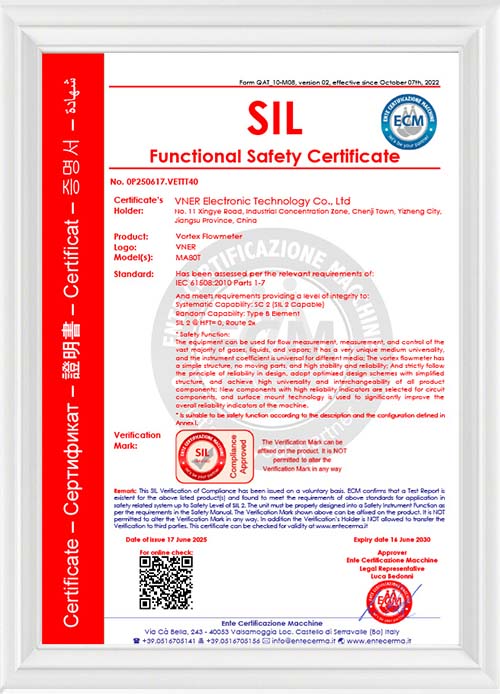
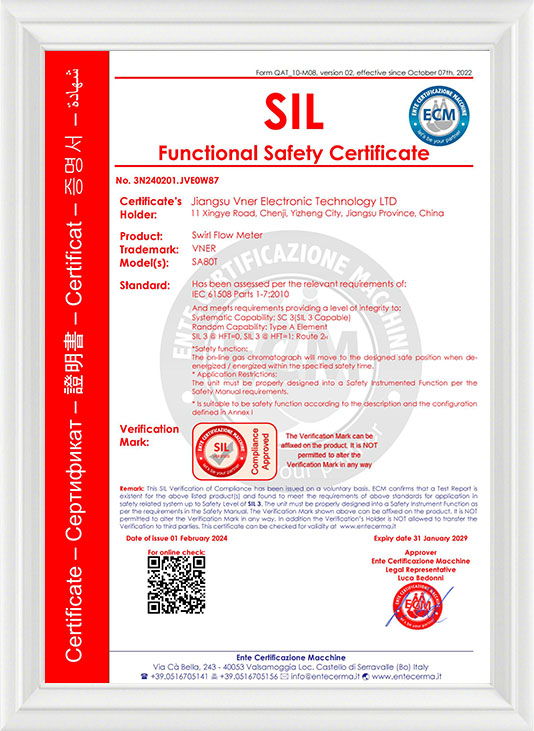
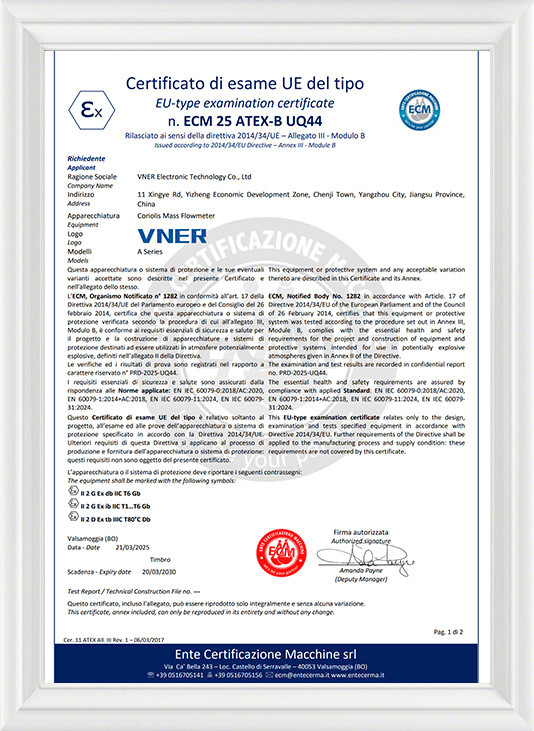
Certificate Of Honor
News
-
In the realm of precision fluid measurement, the Liquid Turbine Flowmeter remains one of the most reliable and efficient instruments for handling clean, low-viscosity fluids. The L...
READ MORE -
Engineering Selection Guide for Chemical, Utility & Industrial Applications Accurate flow measurement plays a critical role across water treatment, chemical processing, utilit...
READ MORE -
In the specialized field of fluid dynamics, the Swirl Flowmeter stands out due to its unique "vortex precession" principle, offering high accuracy and a wide turndown ratio. The in...
READ MORE -
Chinese New Year Holiday Notice As the Chinese New Year approaches, VNER Electronic Technology LTD extends its sincere gratitude to our valued customers, partners, and colleague...
READ MORE
Message Feedback
SR41 Metal Tube Rotameter Industry knowledge
The SR41 Metal Tube Rotameter (also known as a Variable Area Flowmeter) stands as a cornerstone in industrial flow measurement, particularly for applications where durability, visibility, and precision are non-negotiable. Unlike glass tube variants, the SR41 series utilizes a robust metal casing, typically high-grade stainless steel, making it the preferred choice for high-pressure, high-temperature, and corrosive environments. As industrial automation evolves, the SR41 has transitioned from a simple mechanical indicator to a sophisticated intelligent instrument capable of digital signal processing and remote communication.
What are the Core Measurement Principles and Structural Advantages of the SR41 Metal Tube Rotameter?
The SR41 operates on the Variable Area principle, a time-tested method in fluid mechanics. Understanding the internal physics and structural integrity is key to appreciating its role in modern industry.
The Variable Area Physics
At the heart of the SR41 is a tapered measuring tube and a specially shaped float (or plummet). When fluid flows upward through the vertical tube, it encounters the float. The kinetic energy of the fluid creates an upward force. As the float rises, the annular space (the "variable area") between the float's edge and the tapered tube wall increases.
The float eventually reaches a position of equilibrium where the upward force (buoyancy plus dynamic pressure) equals the downward force (the weight of the float). Since the weight of the float is constant, the area of the annular space is directly proportional to the flow rate. In the SR41, this vertical displacement is not observed through the tube (as it is metal), but is instead captured via Magnetic Coupling.
Magnetic Coupling and Indicator Technology
Because the measuring tube is made of solid metal to withstand high pressures, the position of the float is transmitted to the external indicator scale through a high-strength magnetic field. A permanent magnet is embedded within the float, and a magnetic follower system in the external indicator housing tracks its movement.
This non-contact transmission ensures:
Zero Leakage: The measuring chamber is completely sealed from the indicator housing.
Frictionless Transfer: The magnetic coupling is designed to be highly sensitive, ensuring that even minor changes in flow are reflected on the dial or digital display.
Structural Integrity and Material Science
The SR41 series is engineered for longevity. Typical structural advantages include:
All-Metal Construction: Standard 304 or 316L stainless steel provides resistance to mechanical shock and external environmental stressors.
Corrosion Resistance: For highly aggressive chemical media, the internal wetted parts can be lined with PTFE (Polytetrafluoroethylene) or manufactured from exotic alloys like Hastelloy or Titanium.
Simplified Design: With no rotating parts or complex gears in the fluid path, the SR41 is inherently resistant to mechanical failure compared to turbine or gear meters.
How does the SR41 Adapt to Extreme Operating Conditions such as High Temperature, High Pressure, and Corrosive Media?
In many industrial processes—particularly in oil refining, chemical synthesis, and power generation—flowmeters must survive conditions that would destroy standard equipment. The SR41 is specifically modified to handle these "Extreme Industrial Scenarios."
Handling High-Pressure Environments
The solid metal tube of the SR41 allows it to operate at pressures that would cause glass or plastic tubes to burst. Standard models typically handle up to 4.0 MPa, but custom-reinforced versions can sustain pressures exceeding 25 MPa. This makes them indispensable for high-pressure gas injection or deep-sea oil extraction simulators.
Thermal Management: High Temperature and Cryogenic Applications
Temperature fluctuations can affect both the fluid density and the magnetic properties of the coupling system. The SR41 addresses this through:
Heat Dissipation Fins: For media temperatures exceeding 150°C, the indicator is separated from the tube by cooling fins to protect the electronics and the magnetic follower.
Jacketed Designs: In applications involving media that solidify at room temperature (like liquid sulfur or heavy resin), the SR41 can be equipped with a Heating Jacket. Steam or hot oil is circulated around the tube to maintain fluid state.
Cryogenic Tolerance: Conversely, for liquid nitrogen or oxygen, low-temperature seals and materials are used to prevent embrittlement.
Chemical Resistance and PTFE Lining
The chemical industry often deals with "Super Acids" and strong alkalis. The SR41 solves this by offering a full internal lining of PTFE. This creates a chemically inert barrier, allowing the meter to measure Hydrochloric acid, Sulfuric acid, and other highly reactive substances without compromising the stainless steel structure.
Dealing with Opaque and Pulsating Fluids
One of the greatest advantages over glass rotameters is the SR41’s ability to measure Opaque Liquids. Since it doesn't rely on visual confirmation of the float position, the color or turbidity of the fluid is irrelevant. For pulsating flows (often caused by reciprocating pumps), the SR41 can be fitted with Damping Mechanisms (gas or liquid dampers) to stabilize the float's movement and provide a steady reading.
What are the Best Practices for Installation, Calibration, and Intelligent Maintenance of the SR41?
To ensure the SR41 provides its rated accuracy (typically ±1.0% to ±1.5%), specific attention must be paid to how it is installed and maintained. Modern "Smart" SR41 models also offer digital tools that simplify these tasks.
Critical Installation Requirements
The SR41 is a gravity-dependent instrument. Improper installation is the leading cause of measurement error.
Vertical Orientation: The meter must be installed vertically with the fluid flowing from bottom to top. A tilt of even 5 degrees can cause the float to rub against the tube wall, introducing friction and error.
Straight Pipe Runs: While rotameters are less sensitive to flow profiles than electromagnetic or ultrasonic meters, it is still recommended to have at least 5D of straight pipe upstream to minimize turbulence.
Bypass Valves: For mission-critical lines, a bypass loop should always be installed. This allows the SR4meter to be removed for cleaning or calibration without shutting down the entire production line.
Intelligent Signal Output and HART Communication
Modern SR41 rotameters are rarely just mechanical pointers. They are equipped with:
Two-Wire 4-20mA Output: Allowing for integration into PLC and DCS systems.
HART Protocol: This allows technicians to configure the device, check diagnostics, and perform digital "zeroing" from a remote handheld terminal.
Limit Switches: These can be set to trigger alarms if the flow exceeds a certain threshold or drops too low, ensuring safety in automated systems.
Troubleshooting and Maintenance Guidelines
Although robust, the SR41 requires a systematic maintenance schedule:
Float Cleaning: If the medium is "dirty," particles may settle on the float, changing its weight and surface area. This will result in a permanent offset error. Regular flushing of the measuring tube is necessary.
Magnetic Particle Interference: Since the system relies on magnets, any ferromagnetic particles (iron filings) in the fluid will be attracted to the float. This can cause the float to "stick" or drag. Magnetic Filters must be installed upstream if the fluid contains iron particles.
Zero-Point Verification: During shutdowns, when the valve is closed and the pipe is empty, the pointer or digital display should return to its mechanical zero. If it doesn't, it indicates either a stuck float or a shifted magnetic follower.
Calibration in Gas vs. Liquid Service
Users often ask if an SR41 calibrated for water can be used for other liquids or gases. The answer lies in scientific correction factors that account for physical properties.
Advanced Liquid Correction: In practical applications, the rotameter is usually calibrated with water at a standard density (typically
Gas Compensation: Since gas is compressible, changes in operating pressure (
The SR41 Metal Tube Rotameter represents a perfect synergy between classical mechanical reliability and modern electronic intelligence. Its ability to operate without electricity (in purely mechanical models), withstand extreme pressures, and provide highly accurate readings in corrosive environments makes it an irreplaceable asset in the industrial toolkit.
By partnering with manufacturers like Jiangsu Vner Electronic Technology Co., Ltd., which employs digital intelligent manufacturing and high-precision automated production, users are guaranteed a product that meets the highest standards of consistency and longevity. Whether you are managing a municipal water project or a complex petrochemical refinery, the SR41 provides the "visual" certainty and digital precision required for 21st-century industrial success.

We offer all our products and services at international standards.
Products
Contact Information
-

+86-18652789521
+86-18052582295
+86-0514-83633600 / 83633900 -

+86-0514-83633600 / 83633900
-

-

No. 11 Xingye Road, Chenji Town Industrial Park, Yizheng, Yangzhou, China
