
 0
0
 EN
EN  English
 عربى
عربى Español
 русский
If you need any help, please feel free to contact us
Home / News / Company News / From Factory to Customer: How VNER Manages Quality, Traceability and Shipment
From Factory to Customer: How VNER Manages Quality, Traceability and Shipment
This article provides an inside look at how VNER manages final inspection, material traceability, calibration records, documentation, customized packing, warehouse control and shipment from the factory to the customer.
Overview
At VNER, delivering a flow meter is not just about completing production.
Each instrument goes through a controlled and traceable process – from final inspection and material verification, to calibration records, documentation, packing, warehouse management and shipment.
This article provides an overview of how VNER manages this full chain, so that customers can clearly see what stands behind each product they receive.
Step 1 – Final Product Inspection
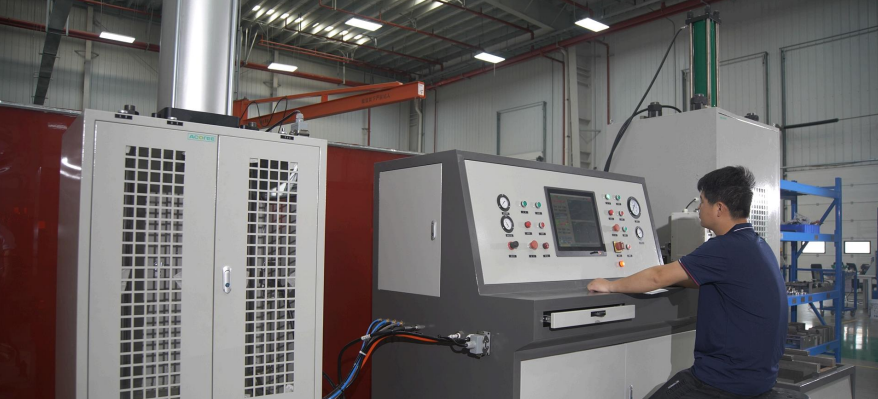
Once assembly is completed, each flow meter enters the final inspection stage.
During this step, VNER’s quality team typically checks:
- visual and mechanical inspection of the meter body, converter and connections;
- functional tests of the electronics and display, including basic configuration and signal checks;
- leak and pressure-related checks where applicable, according to product type and project requirements;
- labeling and nameplate verification, including model code, serial number and main technical data.
Only products that pass all defined inspection points are released to the next stage.

Step 2 – Material Verification and Traceability
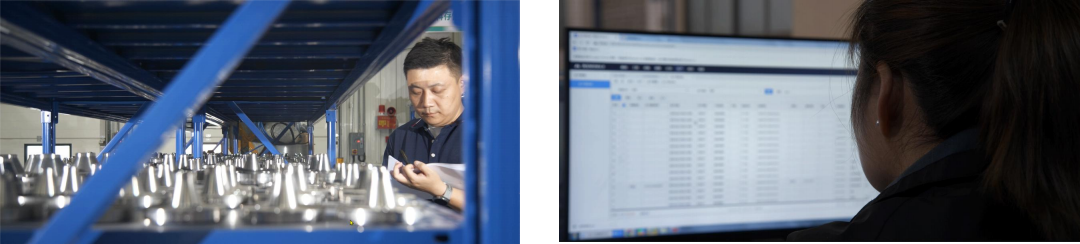
For industrial flow meters, material traceability is an important part of quality assurance.
VNER maintains:
- traceable material inspection reports (e.g. mill test certificates, incoming inspection records) for key pressure-bearing and wetted parts;
- internal traceability codes linking components, material batches and finished products;
- serial number management, so each meter can be traced back to its main components and inspection records.
This traceability helps support project documentation, quality audits and long-term reliability expectations in demanding applications.
Step 3 – Calibration and Record Keeping
Before shipment, flow meters undergo calibration according to their type and application.
In this step, VNER:
- runs the meters on dedicated calibration rigs (water, air or other media as appropriate);
- performs calibration at defined flow points to verify linearity and repeatability;
- records calibration data under the corresponding serial number;
- issues calibration certificates or test reports, either as standard or upon customer/project request.
Calibration records are kept internally for traceability, and the most relevant information is included in the documentation delivered with the product.
Step 4 – Documentation Package (What Goes with the Shipment)
Together with the physical product, VNER provides a documentation package that may include:
- product certificate / inspection certificate;
- operation manual for installation, configuration and use;
- calibration certificate or test report, according to order requirements;
- wiring diagrams or dimensional drawings, where applicable;
- packing list and basic commercial documents.
For project orders, additional documents (such as material reports, specific test records or drawings with project tags) can be prepared according to the agreed documentation schedule.

Step 5 – Customized Packing and Warehouse Management
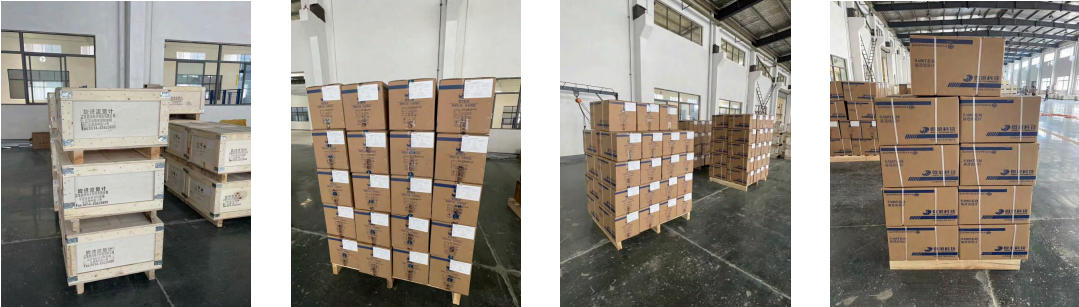
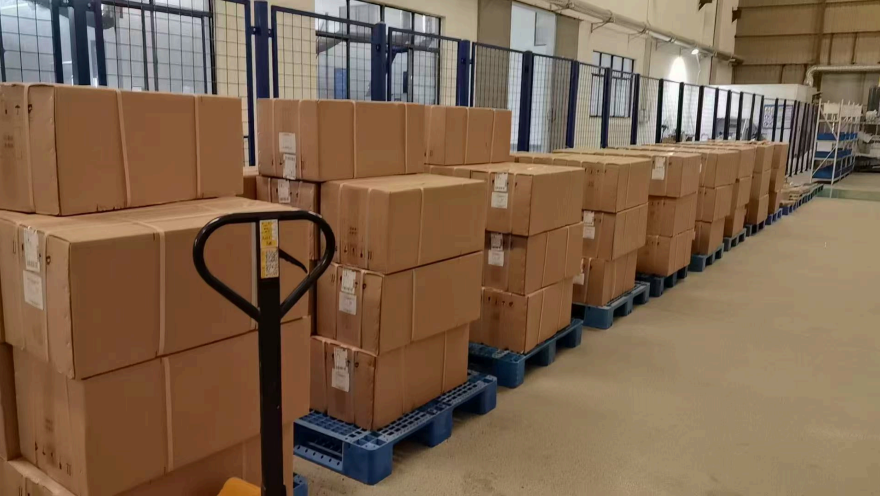
Before leaving the factory, each meter is packed and stored following defined procedures.
VNER typically:
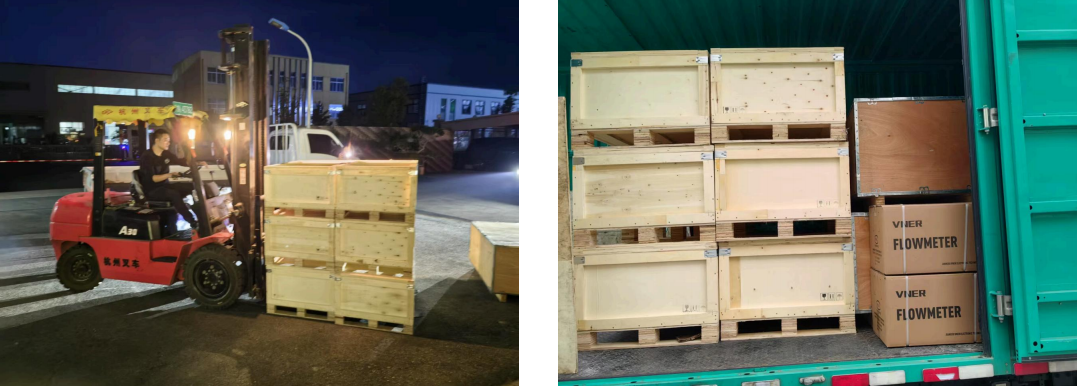
- selects packing materials suited to the product size, weight and transport mode (cartons, wooden cases, pallets, etc.);
- applies protective measures such as shock absorption, moisture protection and dust covers where necessary;
- places labels on the outer packing indicating model, serial number, quantity, gross weight and, if required, project tag or purchase order number;
- registers the products in the warehouse management system, including storage location and status.
These steps help ensure that products are protected during handling and transport, and can be located quickly in the warehouse.
Step 6 – Shipment and Handover to the Customer
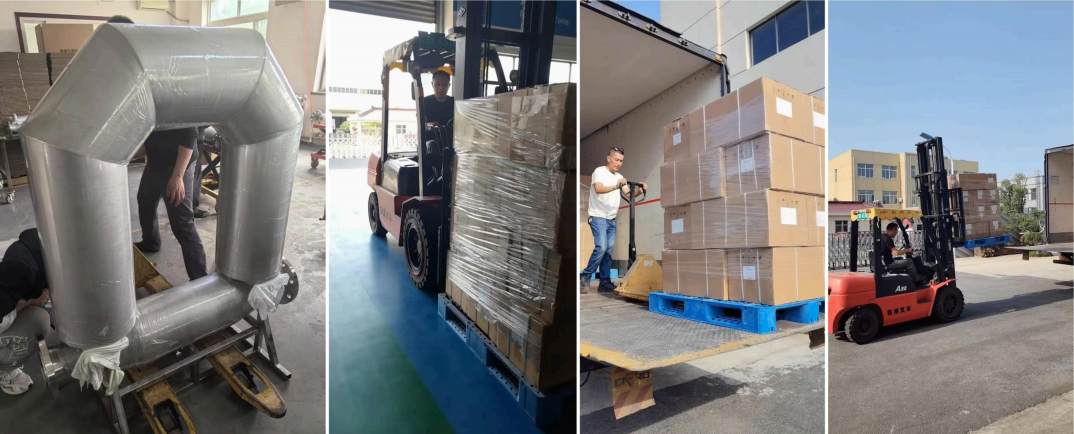
At the final stage, products are prepared for shipment and handed over to the customer or freight forwarder.
Typical actions include:
- checking the shipment list against the order and packing list;
- verifying that all required documents are attached or sent electronically;
- confirming package count, markings and condition before loading;
- taking basic photos or records of packed goods and loading, when required by the customer.
From production completion to final handover, each step is documented and traceable, so that customers can be confident about what they receive and how it has been handled.
Conclusion
Behind every VNER flow meter is a complete process that covers:
- final product inspection,
- material and component traceability,
- calibration and record keeping,
- clear documentation,
- customized packing and warehouse control,
- and careful shipment preparation.
By managing these steps in a structured and traceable way, VNER aims to deliver not only a product, but also confidence in its performance and quality from the factory to the field.


Products
Contact Information
-

+86 18652789521
+86-0514-83633600 / 83633900 -

+86-0514-83633600 / 83633900
-

s@vner.com.cn
katherine@vner.com.cn -

No. 11 Xingye Road, Chenji Town Industrial Park, Yizheng, Yangzhou, China
